






Aquaculture systems depend on consistent water quality to maintain animal health, optimize growth rates, and prevent disease, yet filtration performance issues often emerge long before water chemistry alarms are triggered. Excess suspended solids, fluctuating turbidity, and unstable filtration are frequently traced back to mechanical filtration components that were selected for cost or availability rather than long‑term performance.
In recirculating aquaculture systems (RAS), filter panel material plays a central role in how effectively solids are captured, how evenly flow is distributed, and how stable downstream biological filtration remains.
Filter panel material directly influences how a filtration system responds under real‑world aquaculture conditions, particularly as biomass increases and solids loading becomes less predictable. Screen blinding, inconsistent pore geometry, and material deformation under continuous operation can restrict flow and increase backwash frequency, leading to higher energy use and unnecessary water losses. System evaluations consistently show that material choice affects not only capture efficiency but also pressure drop, cleaning behavior, and overall system reliability, which are key factors in maintaining stable water quality across production cycles.
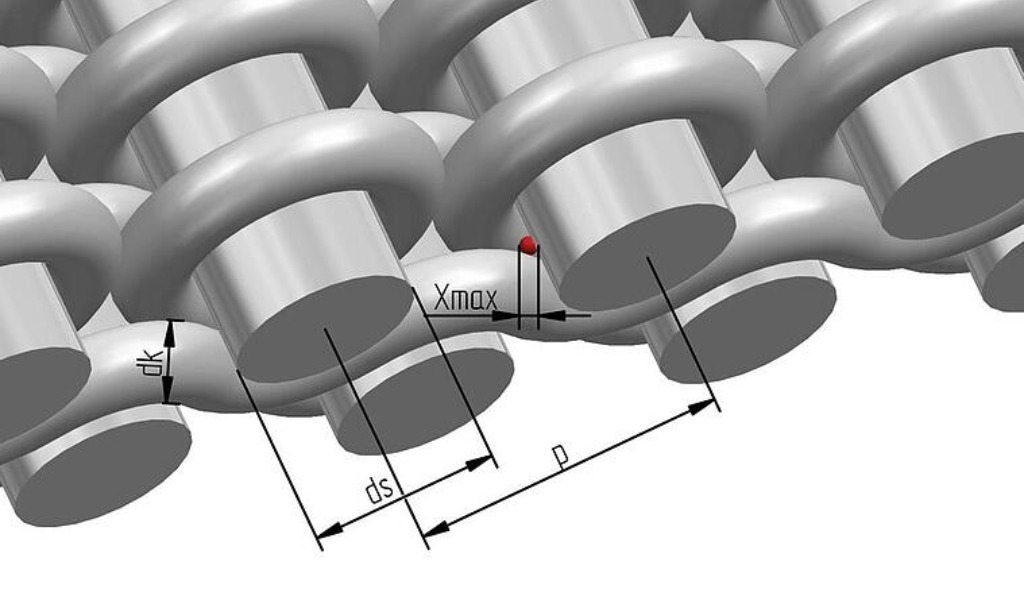
At W.S. Tyler, smart filtration media design represents a commitment to cleaner, safer processes backed by over 150 years of experience in woven wire technology. Solutions such as our RPD HIFLO‑S, a high‑performance metal filter cloth, demonstrate how advanced pore geometry can deliver higher flow rates, improved solids release, and consistent cut‑points.
In this article we will examine how filter panel material serves as a clear indicator of aquaculture system performance, how it explores what filtration panels reveal about water quality control, how different materials behave under continuous aquaculture loading, and the operational costs tied to poor material selection. By learning how panel material influences filtration efficiency, maintenance demands, and long‑term system stability, aquaculture operators can make informed decisions that align filtration performance with production goals.
What Filtration Panels Reveal About Water Quality Control
In fish farm environments, maintaining consistent water quality is closely tied to how effectively suspended solids are removed before they accumulate within the system. Mechanical filtration panels serve as the first line of defense against organic waste generated by fish metabolism and uneaten feed, both of which are primary contributors to turbidity and dissolved oxygen stress. In commercial fish farms, particularly those operating at higher stocking densities, filtration panel performance often provides an early indication of whether solids management is keeping pace with biological load.
One of the most telling indicators of water quality control in fish farms is pressure stability across filtration panels. As biomass and feeding rates increase, poorly performing panels tend to blind unevenly, forcing higher flow velocities through remaining open areas. This uneven hydraulic distribution allows fine particulates to bypass mechanical capture, increasing total suspended solids (TSS) and pushing additional load downstream to biofilters and disinfection stages. Stable pressure drop across panels is known to correlate with steadier ammonia conversion rates and more predictable water quality outcomes.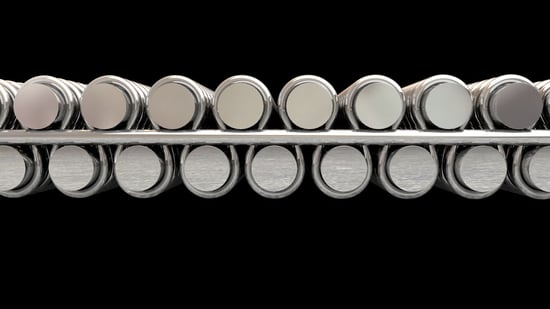
Filtration panels also influence turbidity control at a level that directly affects fish behavior and overall system efficiency. Elevated turbidity has been linked to reduced feeding efficiency, impaired gill function, and increased disease susceptibility in fish species. Mechanical filtration systems that maintain consistent pore structure and resist deformation during backwash cycles demonstrate greater reliability in turbidity reduction, particularly in drum and disc filters commonly used in fish farms.
Beyond visible water clarity, filtration panels shape how organic fines move through fish farming systems. When fine solids escape mechanical filtration, they decompose within the water column, consuming oxygen and creating conditions that favor opportunistic pathogens. This indirect relationship positions filtration panel performance as a contributor to overall fish health management, not just solids removal. As a result, material behavior at the panel level increasingly serves as a practical benchmark for evaluating water quality control strategies in modern fish farms.
How Filter Panel Materials Behave Under Aquaculture Conditions
Aquaculture filtration panels operate in an environment that places continuous mechanical and chemical stress on filter materials. Constant exposure to moisture, organic loading, and frequent cleaning cycles challenge a material’s structural integrity and dimensional stability over time. In fish farming applications, filter panels must maintain consistent pore geometry despite solids loading and fluctuating flow rates, which are extremely important for your system and can be enabled by mesh specifications with high porosity. Materials that lack rigidity or uniform wire structure are more likely to deform or stretch, leading to unpredictable filtration behavior as operating conditions evolve.
Salinity and water chemistry further influence how filtration materials perform in aquaculture systems. Marine and brackish fish farms introduce elevated chloride levels that accelerate corrosion in materials not designed for prolonged saltwater exposure. Even in freshwater systems, dissolved minerals and biofouling can alter surface characteristics of filter panels over time. In this industry, corrosion‑resistant stainless-steel mesh is known to retain filtration accuracy longer while reducing the risk of material breakdown or contamination entering the system, which is especially true if using alloys such as 316L in standard and AVESTA 254 SMO in heavy conditions.
Ready to make the switch to a dependable and durable water filtration media? Check out our article below to learn more about why woven wire mesh is your best option:
In closed-loop RAS environments, long-term process stability is often a critical consideration. While solids loading is continuous, the greater risk lies in how consistently a filter panels material maintains its structure and filtration function over time. Synthetic mesh panels can degrade, stretch, or fail after prolonged exposure to constant flow, cleaning cycles, and biological fouling, creating a failure point that allows unfiltered water, along with suspended solids, to pass directly into downstream systems. Stainless steel mesh, by contrast, offers a level of structural stability that supports consistent hydraulic behavior and reliable solids separation, helping preserve filtration performance and protect subsequent treatment stages from disruption.
Cleaning methodology plays a critical role in long‑term material performance. Many fish farms rely on high‑pressure backwashing or mechanical spray bars to maintain filtration throughput, subjecting panels to repeated thermal and pressure fluctuations. Materials that cannot withstand these cycles may fatigue prematurely, leading to micro‑deformation or localized failure points. Drum and disc filtration systems show that materials engineered for repeatable cleaning cycles maintain more consistent flow characteristics and longer service intervals, even under high production demands.
The Operational Costs of Poor Panel Material
In fish farm operations, the true cost of filter panel material often appears gradually through increased maintenance demands rather than immediate system failure. Panels that blind quickly or deform under load require more frequent backwashing, manual intervention, or premature replacement. These disruptions translate directly into labor hours, increased wear on pumps and spray systems, and higher energy consumption, all of which scale rapidly as stocking density and feeding rates increase. In contrast to this, stainless steel used in your filter media is engineered for significantly longer service life, and it is consistently shown that unstable or short-lived filtration media contribute to higher operational overhead long before water quality degradation becomes visible.
Water loss represents another hidden operational expense tied closely to panel material performance. In drum and disc filtration systems, inefficient panels trigger shorter filtration cycles and more frequent backwash events, increasing freshwater consumption, which is an especially critical issue in recirculating aquaculture systems. Excessive backwashing not only raises water and energy costs but can also disrupt temperature and salinity stability in fish culture environments. Commercial fish farms often show that backwash efficiency and frequency are strongly influenced by how well a filtration panel maintains continuous solids loading.

These cost pressures have driven increased adoption of advanced woven metal filtration media designed to balance high flow rates with long service life. Filter cloth such as our RPD HIFLO‑S are engineered to deliver consistent pore geometry, improved dirt‑holding capacity, and more efficient solids release during cleaning cycles. This geometry enables higher hydraulic throughput at comparable cut‑points, helping reduce backwash frequency and extend maintenance intervals, which directly address common cost drivers in continuous fish farm operations.
Over time, poor panel material selection also increases the risk of unplanned downtime, which carries some of the highest operational costs in aquaculture. Emergency shutdowns for filter failure disrupt feeding schedules, stress stock, and often require rapid corrective action that compounds labor and resource use. By contrast, filtration systems built around materials capable of maintaining performance consistency under load tend to support more predictable maintenance planning and steadier production cycles. As a result, panel material choice has become a strategic decision tied to economic resilience in modern fish farms.
When Filter Panel Choices Align with System Goals
Filter panel material offers a clear window into how an aquaculture system is truly performing. From solids capture and hydraulic stability to maintenance burden and operational consistency, panel behavior reflects whether filtration strategy aligns with the demands of modern fish farming. As we have covered, material selection influences far more than filtration efficiency alone, as it shapes water quality control, system reliability, and the ability to scale production without introducing instability.
For operators looking to improve performance, the next step is to evaluate filtration panels beyond micron rating or upfront cost. Reviewing pressure stability, backwash frequency, water consumption, and maintenance intervals can quickly reveal whether existing materials are supporting or hindering system objectives. Incorporating filtration data into routine system audits helps identify opportunities to reduce operational strain while improving predictability across production cycles.
At W.S. Tyler, filtration solutions are guided by a commitment to cleaner, safer processes built on more than 150 years of experience in woven wire technology. That legacy is rooted in understanding how materials behave under real operating conditions and designing filtration media that deliver consistent performance over time. By prioritizing durability, cleanability, and precision, filtration becomes a tool for protecting both aquatic life and long‑term operational efficiency.
Want to discover more about how woven wire mesh can support your Aquaculture farming process? Read the article below to learn more: