




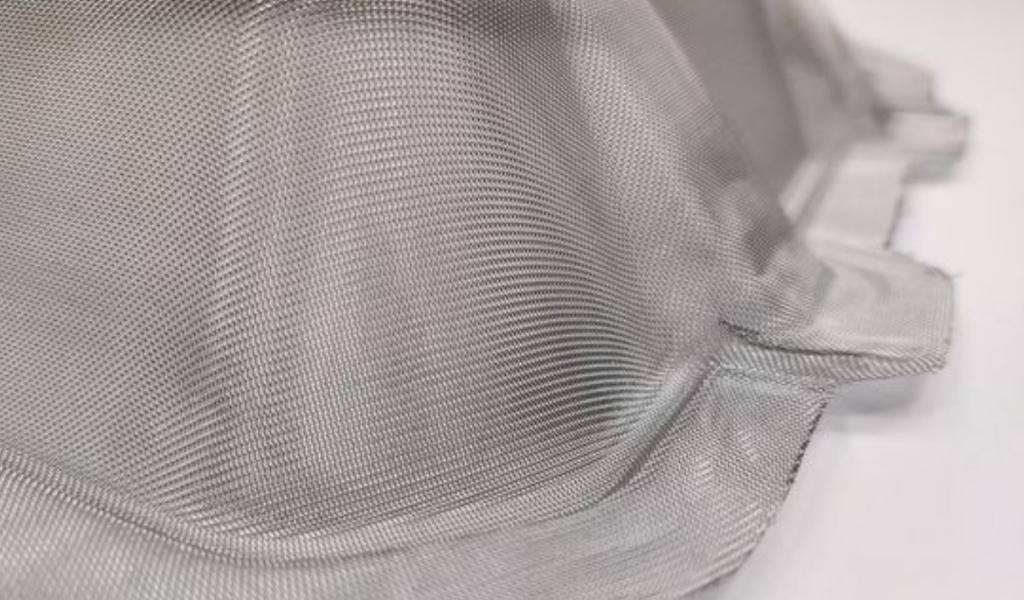


Molded pulp producers face a constant balancing act between product quality, forming efficiency, and material consistency. Variations in fiber supply, whether from recycled content, virgin material, changing furnish blends, or upstream processing adjustments, can quietly disrupt formation, surface quality, and yield. When these issues appear, the forming wire is often blamed last, even though it sits directly at the point where fiber behavior becomes a finished structure.
The reality is that molded pulp forming depends on how individual fibers behave under vacuum as water drains through a woven wire surface. Fiber length, coarseness, curl, and flexibility all influence whether fibers bridge across openings, pass through apertures, or form a stable mat on the wire. When wire geometry and furnish characteristics are not aligned, manufacturers may see uneven walls, poor surface definition, excessive fines loss, or longer cycle times.
At W.S. Tyler, the focus has always been on helping producers achieve cleaner, safer, and more reliable processes. With more than 150 years of experience working with precision woven wire solutions, the company understands that consistent forming isn’t achieved by chance. Instead, it’s built through thoughtful mesh design that accounts for how materials behave in real operating conditions, not just on paper.
In this article we explore how key fiber characteristics interact with woven wire geometry in molded pulp forming. We will explain how fibers bridge or pass through wire openings, the role fines and fillers play at the wire surface, why wire geometry must match furnish type, and why even small changes in fiber blends often require mesh adjustments to maintain sheet formation and surface quality.
Fiber Characteristics That Influence Molded Pulp Forming
Before fibers ever interact with a woven wire surface, their inherent physical characteristics largely determine how they will behave during forming. Fiber length is one of the most influential variables. Longer fibers tend to create stronger mechanical entanglement, which can improve structural integrity but may also increase the likelihood of bridging across wire openings if not properly supported. Shorter fibers, by contrast, drain more easily but rely more heavily on fines retention and wire support to maintain uniform coverage and surface definition in molded pulp parts.
Coarseness and flexibility further influence how fibers respond under vacuum. Coarser fibers, which are often associated with certain hardwoods or recycled streams, occupy more space and resist bending, which can reduce conformability to complex mold features. More flexible fibers collapse more readily, allowing them to conform tightly to wire geometry and mold contours.
This flexibility plays a major role in determining wall thickness uniformity and edge definition, particularly in thin-walled molded pulp products.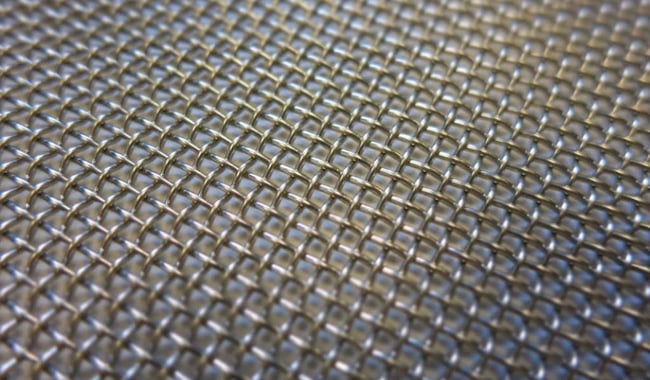
Fiber curl adds another layer of complexity. Curled or kinked fibers increase bulk and can improve mat stability early in the forming process, but excessive curl may trap water and slow drainage if wire geometry is not optimized. In recycled furnishes, curl variability is especially common due to prior mechanical processing, making fiber-wire compatibility even more critical.
Knowing about these fiber-level traits allows molded pulp producers to anticipate how the furnish will behave during forming and sets the foundation for selecting wire geometries that promote consistent sheet formation without sacrificing throughput or surface quality.
How Fibers Bridge or Pass Through Woven Wire Openings
Once fibers reach the forming surface, their interaction with woven wire openings becomes a defining step in molded pulp sheet development. Larger or stiffer fibers tend to span across apertures, creating a bridging effect that helps establish an initial fiber mat. This early mat formation is critical because it becomes the support layer for subsequent fibers, especially under increasing vacuum.
When aperture size or wire pattern is poorly matched to the furnish, bridging can occur unevenly, leading to localized thickness variation or weak spots in the molded structure.
Finer fibers, along with fines and mineral fillers commonly present in recycled or blended furnishes, behave differently at the wire interface. Instead of bridging, these smaller particles are more likely to follow the water flow toward the wire surface. If the openings are too large or the wire lacks sufficient surface support, fines can be pulled through, reducing yield and negatively affecting surface smoothness. Properly designed woven wire geometries help retain these fines at the surface, where they contribute to improved mold definition, tighter surfaces, and more uniform wall thickness.
Want to learn more about wire mesh for your molded pulp processes and discover the differences between 24 mesh and 50 mesh. Check out the article below:
The interaction between fiber size distribution and wire geometry also influences drainage behavior. Wires with optimized open area and controlled aperture shape allow water to evacuate efficiently without disrupting the forming fiber mat.
When that balance is off, manufacturers may see symptoms such as slow cycle times, increased vacuum demand, or premature wire blinding. Learning how fibers bridge at the wire surface allows molded pulp producers to know when to fine-tune wire selection for both formation control and process efficiency, rather than relying solely on upstream furnish adjustments.
When Fiber Changes Require Forming Wire Adjustments
In molded pulp operations, fiber blends rarely stay static for long. Shifts in recycled content availability, changes in supplier sources, or adjustments to pulping and refining conditions can all alter how a furnish behaves during forming. Even when these changes seem minor such as a higher percentage of short fibers or an increase in fines, they can significantly affect how the fiber mat builds on the forming wire. When these shifts occur, wire geometry that once performed well may no longer provide the same balance of support, drainage, and retention.
One of the most common indicators that a wire adjustment is needed is a noticeable change in sheet formation or surface quality. Increased pinholes, rough surfaces, or inconsistent wall thickness often point to a mismatch between fiber size distribution and aperture geometry.
For example, a furnish with a higher fines content may require a wire with tighter support points or a different weave pattern to prevent material loss and maintain surface smoothness. Conversely, furnishes dominated by longer or stiffer fibers may benefit from slightly larger openings to avoid excessive bridging and slow drainage.

Wire wear also becomes more influential when fiber characteristics change. As fibers with different coarseness or abrasive content pass over the wire, drainage behavior and surface contact can shift gradually, making it harder to separate wire-related issues from furnish-related ones.
Regular evaluation of wire condition alongside furnish changes helps molded pulp producers make proactive adjustments rather than reacting to quality problems after they appear. Aligning forming wire design with evolving fiber characteristics ensures stable forming performance, consistent product quality, and fewer disruptions as material inputs change over time.
Turning Fiber Insight Into Smarter Woven Wire Decisions
Fiber behavior and woven wire geometry are inseparable in molded pulp forming. From how fibers build an initial mat to how fines contribute to surface quality, the interaction at the wire surface ultimately determines consistency, strength, and visual finish. Knowing about how fiber characteristics influence drainage, retention, and formation allows manufacturers to move beyond trial-and-error adjustments and make more informed forming decisions.
Molded pulp producers should view forming wire selection as a dynamic process rather than a fixed component. Monitoring changes in furnish composition, tracking surface quality trends, and evaluating drainage performance can all signal when a wire adjustment is necessary. Proactively aligning wire geometry with fiber behavior helps stabilize operations, reduce scrap, and maintain consistent cycle times, even as raw material inputs evolve.
This approach supports a broader goal of creating cleaner, safer, and more efficient forming processes. Drawing on more than 150 years of experience, W.S. Tyler works with pulp and fiber manufacturers to design woven wire solutions that adapt to real-world operating conditions, helping teams maintain reliable performance while improving product quality and process control.
Want to learn more about some of the weaves that woven wire mesh offers that can benefit your systems process? Check out the article below to learn more: