




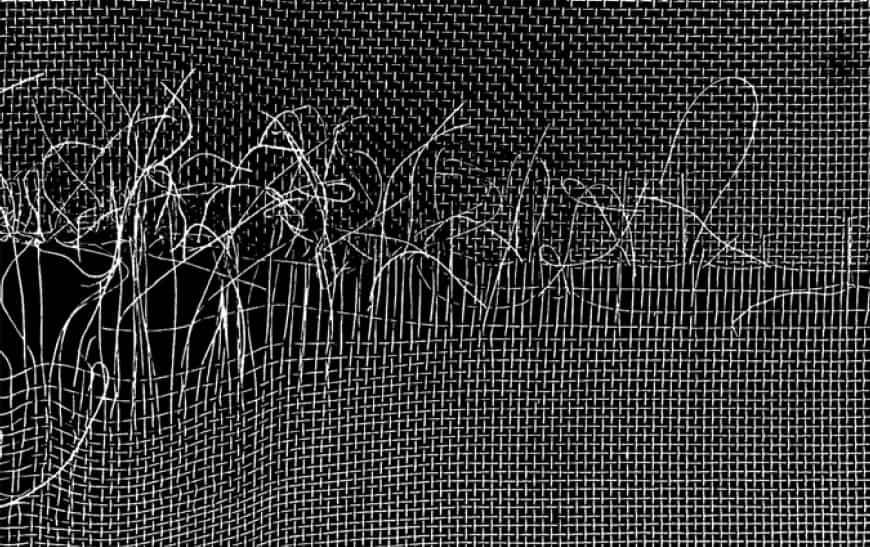


Across modern aquaculture operations, water filtration systems are expected to perform continuously and consistently, often under demanding conditions. Yet damaged filter panels, whether caused by mechanical stress, biofouling buildup, chemical exposure, or routine handling, are frequently overlooked until a major issue arises. What many fish farms underestimate is how even minor panel damage can quietly degrade water quality, disrupt biological stability, and increase operational risk long before visible failure occurs.
Effective filtration is foundational to maintaining dissolved oxygen levels, controlling suspended solids, and limiting the accumulation of harmful waste compounds such as ammonia and nitrites. When filter panels are compromised, water bypasses intended flow paths, filtration efficiency drops, and fine particulates remain in circulation. Over time, this leads to inconsistent water parameters, higher system loads, and increased stress on both fish stocks and supporting equipment.
At W.S. Tyler, we understand how critical reliable filtration is to aquaculture success. For more than 150 years, our mission has been to help industries operate cleaner and safer through precision-engineered woven wire solutions. That experience informs how we approach filtration challenges in aquatic environments where durability, consistency, and long-term performance directly impact animal health and operational outcomes.
This article explores the hidden costs of damaged filter panels in aquaculture, beginning with how panel damage disrupts system performance, followed by the broader operational and biological consequences that often go unnoticed. It then examines practical strategies for preventing filter damage before it impacts the filtration system, helping fish farms protect water quality, equipment reliability, and overall farm performance.
How Damaged Filter Panels Disrupt Aquaculture Operations
Mechanical filtration panels play a critical role in stabilizing aquaculture systems by removing suspended solids before they degrade water chemistry or interfere with downstream treatment. When filter panels are damaged, whether due to deformation, torn mesh, inconsistent openings, or poor sealing, water no longer follows its intended flow path. Instead, solids bypass the filtration barrier entirely, allowing fine organic particles to remain suspended in the system. Ineffective solids removal is known to increase turbidity and accelerates the breakdown of organic matter, placing additional strain on the entire treatment loop and ultimately compromising fish health, which is an outcome that directly impacts production efficiency and farm productivity.
In recirculating aquaculture systems (RAS), this breakdown disrupts system hydraulics. Uneven flow distribution caused by compromised panels can increase pressure drop across filters, reduce effective surface area, and cause localized clogging or blinding. These hydraulic imbalances force pumps and auxiliary equipment to work harder to maintain throughput, often leading to fluctuating flow rates and inconsistent turnover times. Poor mechanical filtration performance directly reduces overall system efficiency and destabilizes downstream biological filtration processes, driving up your overall operating costs.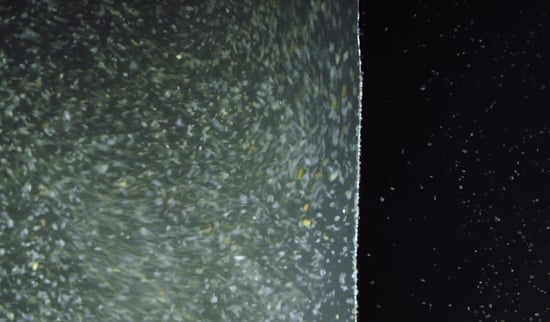
Beyond equipment performance, damaged filter panels directly affect water quality parameters critical to fish health. Excess particles contribute to oxygen consumption as organic material breaks down, increasing oxygen demand and reducing dissolved oxygen availability. At the same time, fine particles provide surfaces for microbial growth, elevating bacterial load and interfering with nitrification efficiency. Elevated suspended solids can impair filter function and compromise ammonia and nitrite removal, which are key drivers of system stability in intensive aquaculture operations.
As these system-level disruptions compound, the effects extend throughout the farm. Inconsistent filtration creates variability in water quality between tanks, loops, or raceways, making it more difficult to maintain uniform growing conditions. Over time, this undermines predictability in production cycles and limits an operator’s ability to scale biomass without increasing risk. While damaged filter panels may appear to be a localized mechanical issue, current aquaculture systems show that they function as a critical failure point capable of destabilizing entire operations when left addressed.
The Consequences of Running Compromised Filter Panels
Once damaged filter panels are left in service, the most immediate consequences surface in water quality consistency, rather than outright system failure. Ineffective removal of particles allows fine organic particles to remain in circulation, where they continue to break down. As these solids degrade, they consume dissolved oxygen and contribute to elevated oxygen demand, creating conditions that are difficult to correct through aeration alone. Current aquaculture water quality guidance emphasizes that uncontrolled solids accumulation is a primary driver of oxygen instability and poor system resilience, especially in high-density production environments.
The biological impact on fish health becomes increasingly pronounced over time. Elevated suspended solids have been known to irritate gill tissue, interfere with gas exchange, and increase susceptibility to secondary infections. Solids exposure in recirculating systems are linked to prolonged turbidity and fine particulate loading to chronic stress responses, reduced growth efficiency, and weakened immune function. These effects often go unnoticed during daily monitoring because standard water chemistry indicators may lag behind physical and physiological stress in fish populations.
From an operational standpoint, compromised filtration panels indirectly increase workload and variability across the farm. As solids escape capture, filters require more frequent intervention to maintain nitrification performance, forcing shorter maintenance cycles across pumps, aeration equipment, and sensors and creating costly, disruptive downtime for operators. RAS operations consistently show that elevated solids levels increase cleaning frequency, raise energy demand, and reduce the effective lifespan of downstream filtration components. These inefficiencies accumulate gradually, making their root cause until system performance begins to noticeably decline.
Want to learn more about the importance of material selection for your aquaculture system filters? Check out the article below to learn more:
There are also regulatory and environmental implications that many operators underestimate. U.S. and international aquaculture guidance highlights total suspended solids, biological waste, and oxygen depletion as key compliance metrics, particularly for flow-through and recirculating facilities operating under discharge permits. Damaged filter panels undermine solids control efforts, increasing the risk of non-compliance and triggering corrective actions that extend well beyond filtration maintenance.
In this way, compromised panels expose farms not only to biological and operational risk, but also to heightened scrutiny and potential regulatory intervention.
Taken together, these consequences reinforce a critical point: running compromised filter panels shifts aquaculture systems from controlled production environments into reactive ones. What starts as a minor mechanical issue snowballs into downtime, higher disease risk, and accelerated replacement of filtration and support equipment, creating avoidable costs that directly impact the operator’s bottom line.
Preventing Filter Damage Before System Impact
Preventing filter panel damage in aquaculture systems begins with recognizing that mechanical filtration components are wear items operating in continuous, high-load environments. Modern RAS systems emphasize proactive inspection rather than reactive replacement, particularly as biomass increases and particles become less predictable. Regular visual checks for mesh deformation, uneven tensioning, seal wear, and localized bypass points allow operators to identify early signs of failure before filtration efficiency declines. It is consistently shown that scheduled inspection intervals reduce unplanned downtime and help stabilize overall system performance.
Handling and cleaning practices also play a significant role in filter panel longevity. Improper removal, aggressive pressure washing, or exposure to cleaning chemicals outside material tolerances can weaken filtration media over time. Establishing standardized handling procedures and aligning cleaning methods with filter material specifications are now considered core best practices in high-performance aquaculture systems.
Material selection is where long-term prevention becomes most effective. Filter panels manufactured from woven wire mesh offer inherent advantages over other filter alternatives, including dimensional stability, consistent pore geometry, and resistance to deformation under continuous dirt holding capacity. High-performance solutions such as RPD HIFLO woven wire mesh filter cloth are engineered to maintain precise cut points while supporting twice the flow compared to similar filter cloths. This combination allows solids to be captured efficiently while reducing the stress on the panel itself, improving durability and helping to preserve filtration integrity throughout extended production cycles.

Based on these performance demands, filter panel requirements in aquaculture environments extend well beyond basic particle capture. Corrosion resistance becomes critical due to constant exposure to saline or chemically treated water, making materials such as 316L stainless steel, AVESTA 254 SMO, and 904L particularly well‑suited for long service life. In systems where aggressive cleaning agents or elevated chloride levels are used, the chemical resistance of higher‑alloy stainless steels like 254 SMO and 904L helps prevent pitting, crevice corrosion, and premature media failure.
Equally important is mesh stability under continuous load, where stainless steel woven wire filter cloth maintains dimensional integrity far better than synthetic meshes or traditional plain‑weave alternatives. When combined with the easy cleanability and high flow characteristics of advanced designs like RPD HIFLO, these material properties allow operators to maintain filtration performance while minimizing handling damage, cleaning effort, and long‑term replacement costs.
When prevention is approached as a whole, whether through inspection discipline, proper handling, and material-driven design, filter panels shift from being a frequent failure point to a stabilizing component within the system. Current aquaculture systems reinforce that proactive filtration management not only protects water quality but also improves predictability across production cycles and supports sustainable scaling without proportionally increasing risk or maintenance burden, driving up overall operating costs.
Rethinking Filtration to Protect Farm Performance
Damaged filter panels may appear to be a narrow maintenance concern, but as we have covered, their impact reaches far beyond mechanical wear. Compromised panels undermine solids control, destabilize water quality, and place additional strain on filtration, equipment, and fish health. Left unaddressed, these issues gradually erode system reliability and make it more difficult for aquaculture operations to maintain consistent performance at scale.
Moving forward, the most effective response is a proactive one, but it only works when filtration media is designed to support it. Stainless steel woven wire mesh enables operators to put prevention into practice through high flow rates, high porosity, and a stable 3D mesh structure that enables your mesh. Unlike synthetic mesh or conventional plain weaves, stainless steel filter cloth offers superior mechanical stability, easy cleanability, and regenerability, allowing particles to purge effectively rather than embed in the media. These properties reduce cleaning frequency, shorten maintenance cycles, and most importantly, deliver a significantly longer service life, helping aquaculture operations control downtime, protect fish health, and avoid the escalating costs associated with premature replacement and reactive system intervention.
This approach aligns directly with W.S. Tyler’s long-standing commitment to helping operations run cleaner and safer. With more than 150 years of experience in precision woven wire solutions, our focus has always been on long-term performance, not short-term fixes. By engineering filtration media that delivers consistent cut points, structural stability, and reliable flow under real-world operating conditions, we help aquaculture procedures protect water quality while reducing risk across the entire system.
Looking to learn more about the differences between drum and disc filters in aquaculture and which one will fit best for your system? Read the article below to learn more: