




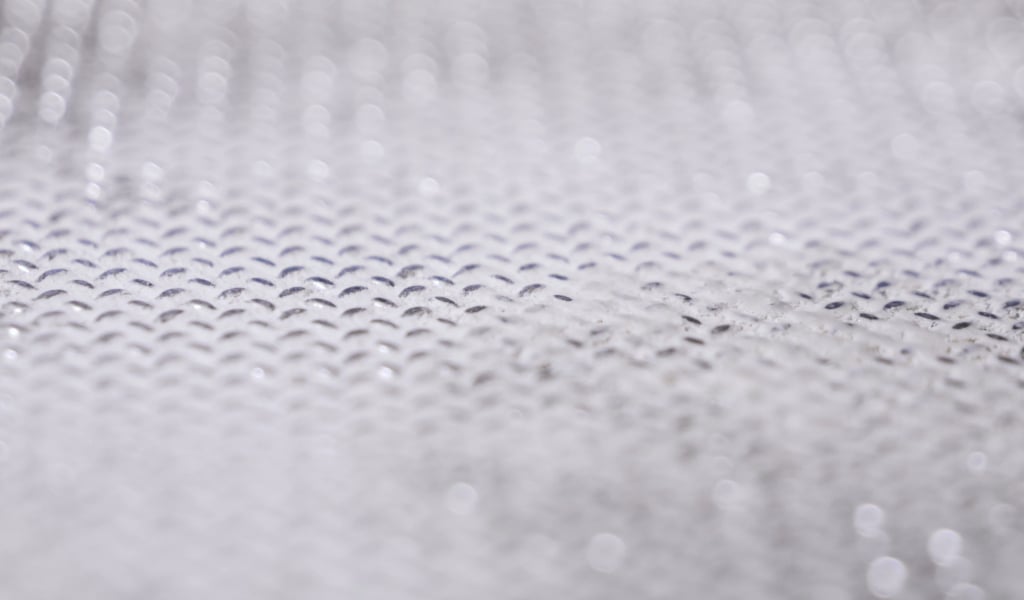


Modern pulp and fiber systems are under more pressure than ever to do more with less, especially as recycled furnish becomes a larger part of the equation. While sustainability goals are driving this shift, they also introduce a persistent operational challenge: stickies and other contaminants that don’t behave like traditional fibers. These materials tend to adhere to equipment surfaces, blind apertures, and disrupt flow, ultimately reducing drainage efficiency, increasing downtime, and driving up maintenance costs.
To stay ahead of these issues, manufacturers are turning to smarter woven wire mesh strategies that go beyond basic filtration. The right mesh design can actively resist buildup, maintain open area longer, and handle higher contaminant loads without sacrificing performance. By fine-tuning aperture size, wire diameter, and weave geometry, it’s possible to improve contaminant release while balancing flow and durability, which are two factors that become increasingly critical in recycled pulp environments.
At W.S. Tyler, we understand how demanding these applications have become. That’s why our mission is centered on engineering woven wire mesh solutions that help create cleaner, safer processing environments backed by over 150 years of industry expertise. Our focus is not just on supplying mesh, but on helping you optimize performance at every stage of your operation, even in the most contaminant-heavy condition.
In this article, we’ll break down what stickies actually do to mesh apertures and wire surfaces, how recycled furnish is changing performance expectations, and the mesh design strategies that can help resist buildup. We’ll also explore the tradeoffs between openness and contaminant tolerance, outline practical maintenance considerations, and explain when it makes more sense to redesign your mesh rather than continuously increase cleaning efforts.
Understanding How Stickies Impact Mesh Performance
Stickies are one of the most disruptive contaminants in modern pulp systems, especially when recycled fiber is involved. They’re made up of adhesive-based materials like pressure-sensitive glues, hot melts, latex binders, and waxes that make their way into the furnish through recovered paper streams. Unlike typical solids that can be screened or separated based on size or density, stickies are deformable and tacky, meaning they don’t just pass through the system and instead interact with it.
One of the biggest challenges with stickies is how they behave at the surface level of your equipment. As pulp flows across screens or mesh, these contaminants can soften and adhere to wire surfaces, forming deposits that grow over time. On woven wire mesh specifically, this often starts as a thin film but can quickly evolve into localized buildup that bridges across apertures. When that happens, you’re no longer operating with your intended open area, as flow paths are restricted, drainage efficiency drops, and pressure differentials begin to increase.
This leads directly to aperture blinding, which is one of the most critical performance issues in contaminant-heavy systems. When stickies block mesh openings, water and fiber can’t move through as designed, resulting in reduced throughput, uneven flow distribution, and in many cases, slower machine speeds. Over time, this also creates inconsistencies in fiber mat formation and can introduce defects further downstream, from sheet quality issues to processing inefficiencies.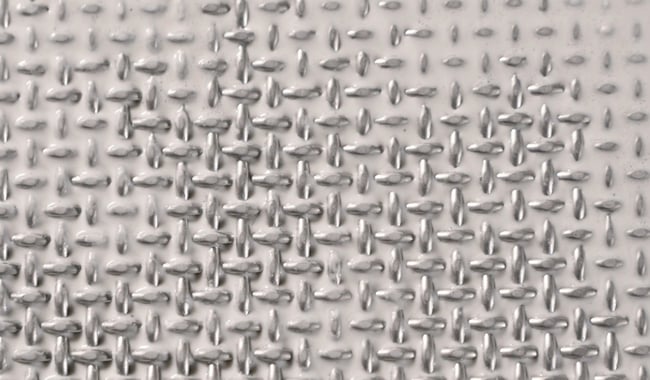
Recycled furnish amplifies all of these effects. Compared to uncontaminated or virgin fiber systems, recycled pulp introduces a wider range and higher concentration of contaminants, which include both macro-stickies (larger particles) and micro-stickies that can agglomerate under process conditions like heat, pH shifts, or shear. As these smaller particles combine, they become more likely to deposit on mesh surfaces or lodge within apertures, accelerating fouling rates and shortening the effective life of the mesh.
What makes this particularly challenging is that stickies don’t just sit on the surface, but instead they evolve during processing. Changes in temperature or chemistry can make them more adhesive or cause them to re-agglomerate after being broken down. This dynamic behavior means that even well-designed screening systems can struggle if the mesh itself isn’t optimized for contaminant resistance. Learning about how these materials physically interact with wire surfaces and apertures is the first step toward selecting a mesh that can maintain performance in demanding, high-stickies environments.
Mesh Design Strategies to Reduce Contaminant Buildup
Once you understand how stickies interact with mesh surfaces, the next step is designing around that behavior. In high-stickies systems, mesh selection is about maintaining performance over time, which means choosing designs that limit how easily contaminants can attach, lodge, and accumulate in the first place.
A key starting point is aperture design and wire geometry, which directly control how material flows through the mesh. Aperture size defines what can pass, but it also influences how quickly fouling develops. Smaller openings improve contaminant capture, but they can restrict flow and are more likely to clog under sticky conditions.
At the same time, wire diameter plays a critical role, as thicker wires increase durability but reduce open area, while finer wires increase flow but can accelerate fouling and reduce lifespan. The goal is to find a balanced combination where the mesh remains open long enough to sustain consistent throughput.
This is where the tradeoff between openness and contaminant tolerance becomes critical. Higher open area generally improves flow rate and reduces pressure drop, which is desirable in most pulp systems. However, achieving that higher open area often requires thinner wires or larger apertures, which both can make the mesh more susceptible to deformation or allow more contaminants to pass or embed.
Looking to discover more about how screen wear can affect your molded pulp process? Read more in the article below:
On the other hand, tighter weaves with lower open area offer better control over particle passage but tend to blind faster in sticky environments. In high-stickies furnish, the best-performing designs are rarely at either extreme, as they’re engineered specifically for controlled openness with resistance to buildup.
Beyond size, surface interaction is influenced by the weave pattern itself. Traditional woven wire mesh creates multiple contact points where contaminants can settle or bridge, especially with deformable materials like adhesives. In contrast, alternative geometries, such as profile or slotted designs, reduce the number of contact points and encourage contaminants to release rather than stick. While woven wire remains essential for fine filtration and precise separation, optimizing the weave style and finish can significantly reduce surface energy and make it harder for stickies to anchor in the first place.
To improve performance in contaminant-heavy systems, engineered mesh designs often focus on a few practical principles:
- Maximize cleanable open area without sacrificing structural integrity
- Minimize flat contact surfaces where stickies can adhere
- Promote flow paths that discourage particle lodging
- Use wire geometries that rescue bridging across apertures
- Maintain consistent aperture shape under load to avoid deformation-driven clogging
Ultimately, the most effective mesh designs for high-stickies applications don’t try to eliminate contaminants but instead manage how those contaminants behave. By selecting the right combination of aperture, wire diameter, and weave structure, you can significantly slow buildup, extend run times, and reduce the need for constant cleaning, which sets the stage for more stable, predictable system performance.
Maintenance Strategies for High-Stickies Systems
Even with a well-designed mesh, high-stickies systems demand a disciplined maintenance approach. The reality is that contaminants will accumulate over time, and what separates efficient operations from costly ones is how that buildup is managed. Without regular intervention, stickies can blind apertures, restrict drainage, and force water and fiber to bypass intended flow paths, leading to reduced machine speeds and quality inconsistencies.
A strong starting point is understanding how fouling shows up in real-world operation. One of the earliest indicators is a gradual increase in pressure drop across the mesh or screen surface. As stickies and fiber begin to plug apertures, flow resistance increases and capacity drops. Operators may try to compensate by increasing pressure or flow rate, but this often accelerates wear and pushes contaminants deeper into the mesh structure, making cleaning less effective over time.
To stay ahead of this, maintenance programs in high-stickies systems typically combine mechanical, hydraulic, and chemical cleaning strategies, each serving a different purpose:
- Routine flushing or backwashing to remove loose fiber and early-stage buildup
- Mechanical cleaning (air, vibration, ice blasting, or brushing) to dislodge partially adhered contaminants
- Targeted chemical cleaning to break down adhesive bonds and reduce tackiness on wire surfaces
- Surface treatment programs that make mesh less attractive to contaminants over time
These approaches align with how stickies are controlled throughout pulp systems, either by physically removing them or by modifying their surface behavior so they don’t deposit as easily. The key is consistency. Waiting until fouling becomes severe often means more aggressive cleaning is required, which can shorten mesh life and increase downtime.

However, one of the most overlooked decisions in maintenance strategy is knowing when cleaning is no longer the right solution. If you’re seeing frequent blinding, unstable flow, or a steady decline in throughput even after cleaning cycles, it may be a design mismatch rather than a maintenance issue. Over time, repeated clogging can also distort apertures, weaken wire junctions, and make buildup more persistent, which further reduces screening efficiency.
In these cases, continuing to increase cleaning frequency often delivers diminishing returns. More downtime, higher chemical usage, and additional labor don’t necessarily translate into better performance. Instead, it’s often more effective to step back and evaluate whether a mesh redesign, which includes adjusting aperture size, wire diameter, or weave pattern, would better match the contaminant profile of your furnish.
In the end, the most successful operations integrate maintenance with smart design decisions. By recognizing early warning signs, maintaining consistent cleaning practices, and knowing when to shift from maintenance to redesign, you can keep mesh performance stable even in the most challenging, contaminant-heavy pulp systems.
Take Control of Stickies with Smarter Mesh Strategies
Contaminant-heavy pulp systems introduce a level of variability that traditional mesh setups were never designed to handle, especially when they rely on recycled furnish. Stickies don’t just pass through the system; they attach, build, and evolve, gradually reducing open area and limiting performance. As we’ve covered, understanding how these materials interact with mesh surfaces, and how design choices influence that interaction, is key to maintaining consistent throughput and product quality.
Moving forward, the most effective approach is to treat mesh performance as a balance of design and operation. If you’re dealing with recurring clogging or excessive cleaning cycles, take time to evaluate whether your aperture size, wire diameter, or weave style is truly optimized for your furnish. Small adjustments in design can often deliver more stable results than simply increasing cleaning frequency. In many cases, long-term improvements come from aligning your mesh strategy with the realities of today’s contaminant loads.
At W.S. Tyler, we focus on helping operations achieve cleaner, safer, and more efficient processing environments through purposeful mesh design. With more than 150 years of experience in woven wire manufacturing, we understand that performance is about how your mesh behaves under real world operating conditions. That’s why we work alongside you to develop solutions that hold up in demanding, high-stickies applications.
Want to learn more about the impact pulp and fiber loading can have on the lifespan of your wire mesh? Read the article below to learn more: