






In Nutsche dryer systems, achieving consistent and efficient solid-liquid separation can be a major bottleneck. Conventional filter media often experience deformation and delamination under high pressure and thermal cycling, leading to irregular pore sizes, channeling in the cake, slower filtration cycles, and increased contamination risk, ultimately harming throughput and product quality.
Enter POROSTAR: a multi-layer, sintered woven wire laminate specifically engineered to address these shortcomings. Its layered architecture retains precise geometry under stress and delivers reliable porosity and permeability, yielding predictable flow patterns and stable cake formation. This translates to shorter filtration cycles, clearer filtrate, and less downtime.
At W.S. Tyler, our mission is to deliver filtration solutions that are not just effective, but also cleaner and safer, anchored in over 150 years of woven wire manufacturing expertise. POROSTAR is a tangible extension of this legacy: engineered to minimize contamination and maximize operational safety in critical separation applications.
In this article, we’ll explore how POROSTAR’s layer configuration enhances Nutsche filter dryers. First, we'll explain why proper layer configuration is essential to system efficiency. Next, we’ll break down the multi-layer design and its performance advantages. Finally, we'll offer practical next steps for selecting and integrating POROSTAR into your filtration systems.
The Importance of Layer Configuration in Nutsche Filter Dryers
In Nutsche filter dryers, the way filter layers are configured determines how well the system performs under demanding conditions. These dryers operate under high pressure and vacuum, which means the filter media must maintain its structure while delivering consistent filtration and drying results.
If the layers are not properly designed, issues like pore deformation, delamination, uneven cake formation, and inefficient drying can occur, leading to longer cycle times and compromised product quality.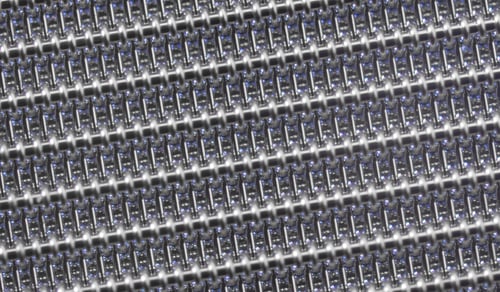
One of the most significant advantages of POROSTAR’s design is its durability. The sintered laminate resists delamination and shedding, even during aggressive cleaning or thermal cycling. Materials like 316L stainless steel and Hastelloy C22 provide corrosion resistance and mechanical strength, making the filter suitable for long-term use in harsh chemical environments.
Ultimately, the configuration of layers in POROSTAR is about process control, scalability, and reliability. By engineering each layer to perform a specific function, POROSTAR ensures that Nutsche filter dryers operate at peak efficiency, reducing downtime and improving overall product quality.
Breaking Down POROSTAR’s Multi-Layer Design
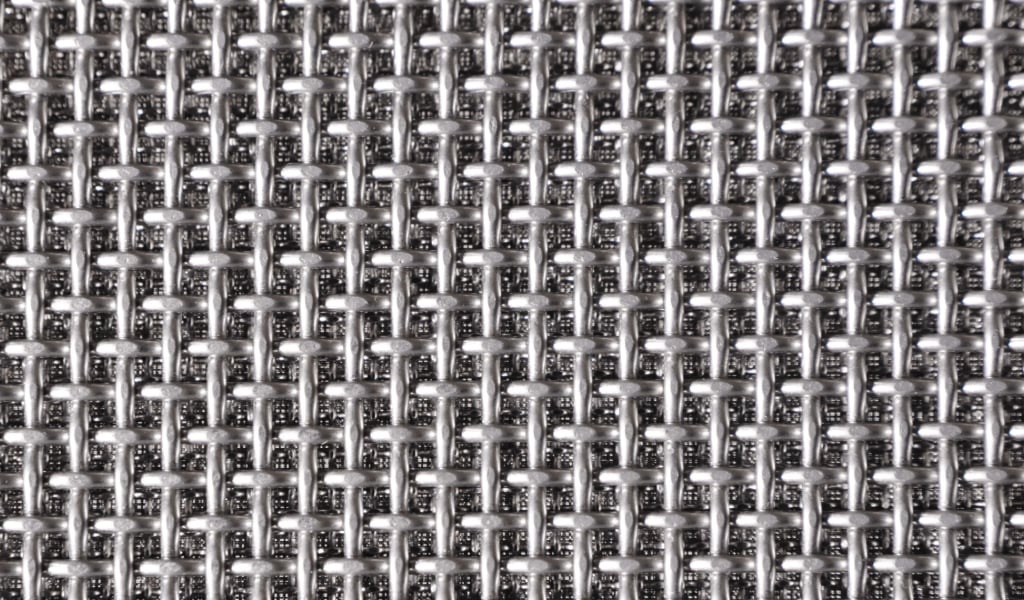
POROSTAR’s strength lies in its meticulously engineered, multi-layer laminate structure. Each layer is bonded through a sintering process, which fuses individual woven wire cloth layers without altering their mesh geometry.
This creates a robust, porous media whose pore size, porosity, and permeability are precisely defined, ideal for demanding filtration and drying applications.
Customization is another key advantage. W.S. Tyler offers various POROSTAR types, such as Standard (5–6 layers), Light (3 layers), HIFLO (high-flow), and Combi (with perforated metal backing) so you can tailor filtration performance and flow characteristics to specific process needs.
One of the hallmarks of POROSTAR is its adaptability. It supports alloys like 316L stainless steel, Hastelloy C22, and other high-grade alloys, making it suitable for harsh chemical environments and high-temperature cycling. POROSTAR can also be welded, shaped, and reinforced with perforated backing plates, giving engineers freedom in design and durability.
Together, these design elements make POROSTAR a reliable, high-performance medium for Nutsche filter dryers, ensuring consistency, durability, and process control.
Next Steps for Implementing POROSTAR in Your Filtration Systems
When it comes to Nutsche filtration and drying, the importance of proper layer configuration cannot be overstated. As we’ve discussed, POROSTAR’s multi-layer design ensures structural integrity, consistent porosity, and reliable performance under demanding conditions. These features translate into shorter cycle times, cleaner filtrate, and improved product quality.
Moving forward, the next step is to evaluate your current filtration setup and identify areas where efficiency and reliability can be improved. Consider factors such as operating pressure, thermal cycling, and cleaning requirements. POROSTAR offers customizable configurations to meet these needs, whether you require high-flow designs, corrosion-resistant alloys, or reinforced backing for added durability.
POROSTAR Nutsche plates are far more serviceable than many realize. Whether the damage is minor or severe, there are structured repair methods available. You can read the full breakdown in our in-depth article here.
At W.S. Tyler, we remain committed to delivering filtration solutions that prioritize safety, cleanliness, and long-term performance. With over 150 years of experience in woven wire technology, our goal is to help you achieve predictable, scalable, and optimized filtration processes.
Looking to learn more? Check out our article below to learn about how to take the next step towards improving your system’s efficiency: