




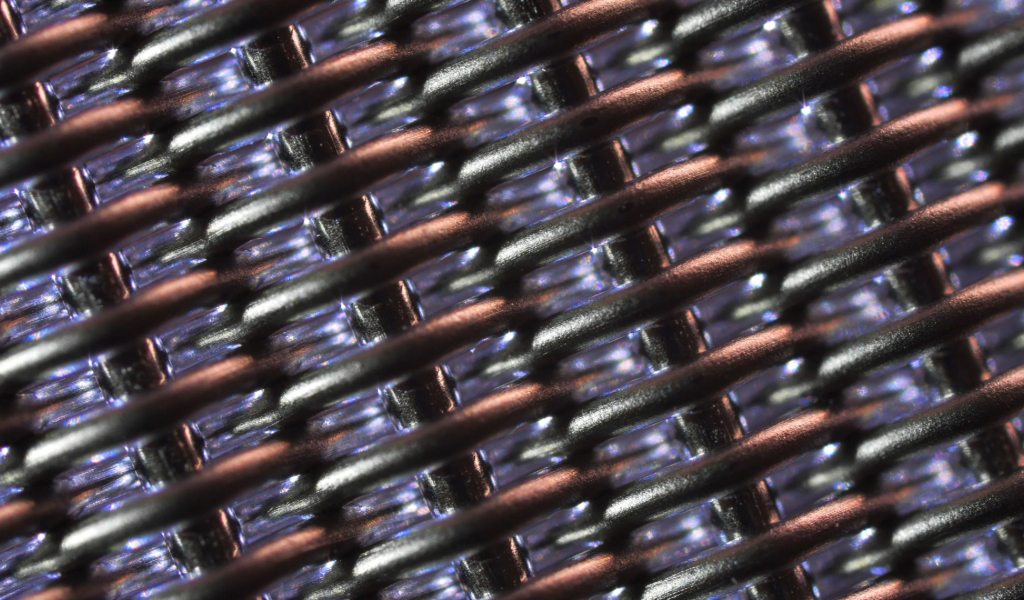


In pharmaceutical nutsche filter dryer operations, stainless steel selection is often an important question, especially as process conditions begin to expose specific alloys limitations. Elevated temperatures, repeated CIP and SIP cycles, acidic product streams, and long dwell times place continuous stress on filter media. Under these conditions, subtle differences in alloy can translate into meaningful impacts on longevity, cleanability, and overall system reliability.
POROSTAR woven wire laminate is often a good choice for your filter media in pharmaceutical nutsche applications because it combines precise pore control with mechanical strength and excellent clean-in-place (CIP) performance. Yet even with a proven media platform like POROSTAR, the stainless-steel grade used in the laminate directly influences how the filter responds to heat exposure, weld stability, and long-term corrosion resistance. This is where the distinction between 316L and 316Ti becomes especially relevant.
For over 150 years, W.S. Tyler has helped manufacturers align material selection with real-world operating conditions. Our focus has always been on supporting cleaner processes and safer production environments through engineered woven wire solutions that perform consistently throughout their service life, even in highly regulated pharmaceutical settings.
This article will examine how 316L and 316Ti stainless steels compare when used in POROSTAR filter media for pharmaceutical nutsche filter dryers. We’ll first explain why material selection is such a critical consideration in pharmaceutical applications, then break down the key differences between the two grades so you can determine which option best supports your process, cleaning strategy, and long-term performance goals.
The Importance of Material Selection in Pharmaceutical Applications
In pharmaceutical manufacturing, the materials used in product-contact filtration components must consistently support validated cleaning, sterility, and repeatable performance across the full lifetime of the equipment. Nutsche filter dryers, in particular, operate as closed systems that combine filtration, cake washing, and drying under pressure or vacuum, often at elevated temperatures. As a result, the filter media is exposed not only to process chemistries but also to aggressive cleaning agents and repeated thermal cycling. Material compatibility, corrosion resistance, and surface stability are often seen as critical factors in maintaining cGMP compliance in these systems.
Unlike single-pass filtration devices, nutsche filter dryers rely on extended contact between the product and the filter surface throughout multiple unit operations. During CIP and SIP cycles, saturated steam, caustic solutions, and acidic cleaners are introduced to remove residues and ensure microbial control. Regulatory bodies such as the FDA and EMA emphasize that product-contact materials must withstand these conditions without degradation, corrosion, or surface altercation that can lead to contamination or cleaning failures. Even minor material instability can complicate validation, increase inspection risk, or shorten service life.
Want to learn about more high-grade alloys that can improve the performance of your Nutsche dryer system? Read the article below to learn more:
Material selection also plays a direct role in avoiding common long-term challenges such as rouging, weld decay, or localized corrosion. Exposure to heat, extreme pH conditions, and repeated sterilization cycles can weaken the protective passive layer on stainless steel surfaces if the alloy is not well-matched to the process environment. In nutsche dryers, where filter plates and woven wire laminates must maintain tight tolerances, these changes can negatively affect filtration consistency and cake release.
Ultimately, choosing the correct stainless steel for pharmaceutical filtration is not simply a matter of meeting an initial specification, but is instead a strategic decision tied to cleanability, validation confidence, and long-term operational reliability. As regulatory scrutiny around surface hygiene and material traceability continues to increase, pharmaceutical manufacturers are placing greater emphasis on selecting alloys that align with both process demands and lifecycle expectations in nutsche filter dryer systems.
The Key Differences Between 316L and 316TI Stainless Steels
While both 316L and 316Ti stainless steels are widely accepted in pharmaceutical processing environments, they are engineered to perform best under different conditions. Understanding how these alloys behave at a metallurgical level is critical when selecting POROSTAR filter media for nutsche filter dryers, where thermal exposure, weld integrity, and long-term corrosion resistance all play a role in system performance.
316L stainless steel is the industry standard for pharmaceutical equipment due to its low carbon content, which minimizes carbon precipitation during welding. This makes it highly suitable for applications that require clean welds, smooth surface finishes, and reliable performance during frequent CIP and SIP cycles. Its molybdenum content enhances resistance to pitting and crevice corrosion, particularly in chloride-containing environments, which are common in pharmaceutical cleaning and processing.
316Ti stainless steel, by contrast, incorporates titanium as a stabilizing element. Titanium preferentially binds with carbon in the alloy, preventing the formation of chromium carbides when the material is exposed to elevated temperatures for extended periods. This stabilization is especially relevant in applications where filter media experiences prolonged thermal exposure during drying cycles or high-temperature SIP processes.
From a practical filtration and system-design perspective, the key differences between 316L and 316Ti stainless steels in pharmaceutical nutsche dryer applications include:
- Carbon stabilization: 316L relies on reduced carbon content to limit carbide formation, while 316Ti uses titanium to chemically stabilize carbon during high-temperature exposure.
- Performance at elevated temperatures: 316Ti offers improved resistance to sensitization when exposed to sustained high heat, making it better suited for processes involving extended drying or frequent thermal cycling.
- Weld heat-affected zone stability: Both alloys weld well, but 316Ti maintains corrosion resistance more reliably in weld-adjacent areas when exposed to repeated heat excursions.
- Cleanability under CIP/SIP conditions: 316L remains highly effective in standard pharmaceutical CIP/SIP regimes, while 316Ti provides an added margin of protection in systems with aggressive sterilization profiles.
- Typical pharmaceutical use cases: 316L is commonly selected for general cGMP equipment and filtration components, whereas 316TI is often specified when thermal stability and long-term corrosion resistance outweigh the need for maximum weld simplicity.
When applied to POROSTAR laminated woven wire filter media, these differences influence how the filter performs over time rather than its initial filtration efficiency. Choosing between 316L and 316Ti ultimately depends on how your nutsche filter operates day-to-day, particularly with respect to temperature exposure, cleaning frequency, and expected service life.
Making the Best Informed Choice for Your Nutsche Dryer System
Selecting between 316L and 316Ti stainless steels for POROSTAR filter media comes down to understanding how your nutsche filter dryer truly operates over time. Both alloys meet pharmaceutical requirements and deliver reliable filtration performance, but their differences become more apparent under specific thermal, cleaning, and process conditions. When these factors are aligned with the correct material, manufacturers can achieve greater consistency and longer service life from their filtration systems.
Before making a final decision, it’s important to evaluate your process beyond initial specifications. Consider operating temperatures, the frequency and intensity of CIP and SIP cycles, solvent chemistry, and expected cleaning validation demands. Working through these variables with your filtration partner can help ensure the selected POROSTAR material supports not only today’s process requirements, but also future scale-up, validation, and compliance needs.
For more than 150 years, W.S. Tyler has focused on helping manufacturers make filtration decisions that strengthen process reliability while supporting cleaner and safer production environments. By combining material science expertise with proven wire mesh solutions like POROSTAR, we work to ensure pharmaceutical filtration systems perform consistently throughout their operational lifespan.
Looking to discover more about how 316 stainless steel stacks up against other alloys and which one would fit best into your nutsche filter dryer system? Read the article below to learn more: