






Maintaining Nutsche filter plates can often be a time-consuming and costly process, especially when issues like clogged mesh, pore distortion, and delamination interrupt your workflow. Over time, these problems can not only slow cycle times but actually increase the risk of contamination and system shutdowns, impacting both your efficiency and safety.
Our POROSTAR filter plates are designed to specifically combat these challenges. Thanks to their sintered, multi-layer woven wire laminate construction, they resist clogging, maintain dimensional stability under high pressure and thermal cycles, and dramatically reduce common filter media failures.
At W.S. Tyler, we leverage over 150 years of woven-wire mesh innovation to deliver filtration solutions that help to make your operations cleaner and safer. POROSTAR embodies this mission, being built for durability, corrosion resistance, and reliable performance, even in the most demanding of filtration environments.
In this guide, we’ll explore common maintenance issues that arise when filter plates go untreated, then introduce practical steps to keep POROSTAR plates running efficiently, helping to extend service life and minimizing system suspensions. You’ll gain actionable insights on inspection schedules, cleaning protocols, and storage best practices to ensure peak filtration performance.
Common Issues Caused by Poor Maintenance
When Nutsche plates aren’t properly maintained, several issues can undermine both performance and longevity. First and foremost, clogging and reduced permeability are commonly observed. Over time, fine particles and residues build up within the porous structure of sintered metal plates like POROSTAR, which restricts fluid flow, slows filtration cycles, and causes pressure drops, threatening both efficiency and product consistency.
Beyond mere clogging, corrosion and surface degradation pose a serious threat if cleaning agents aren’t properly chosen. Although POROSTAR plates can be made from corrosion-resistant alloys such as stainless steel or Hastelloy C22, exposure to harsh chemicals can damage their surfaces, leading to structural weakening and potential failure under pressure.
Mechanical stress is another concern. Improper handling, such as dropping plates during regular maintenance or over-tightening them when reinstalling, can deform the finely controlled pore structure. Because sintered metal filters rely on precise pore sizes to maintain filtration efficiency, any distortion can compromise performance and risk contamination.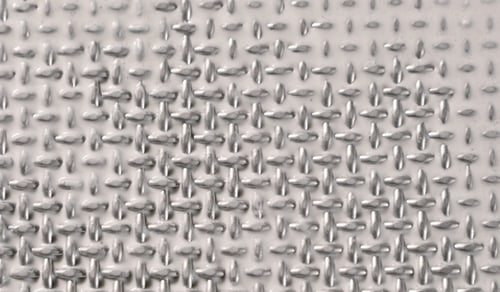
Incomplete rinsing after cleaning also risks residual chemical or process contaminants remaining in the plate’s pore. This is especially problematic in industries like pharmaceuticals or food processing, where even trace contamination can derail production or fail strict compliance standards.
Ultimately, neglecting maintenance accelerates wear and increases the likelihood of premature plate failure. Sintered metal plates are durable, but without regular cleaning, inspection, and proper handling, they can degrade faster, driving up replacement and downtime costs.
Preventative Maintenance Tips for POROSTAR Nutsche Plates
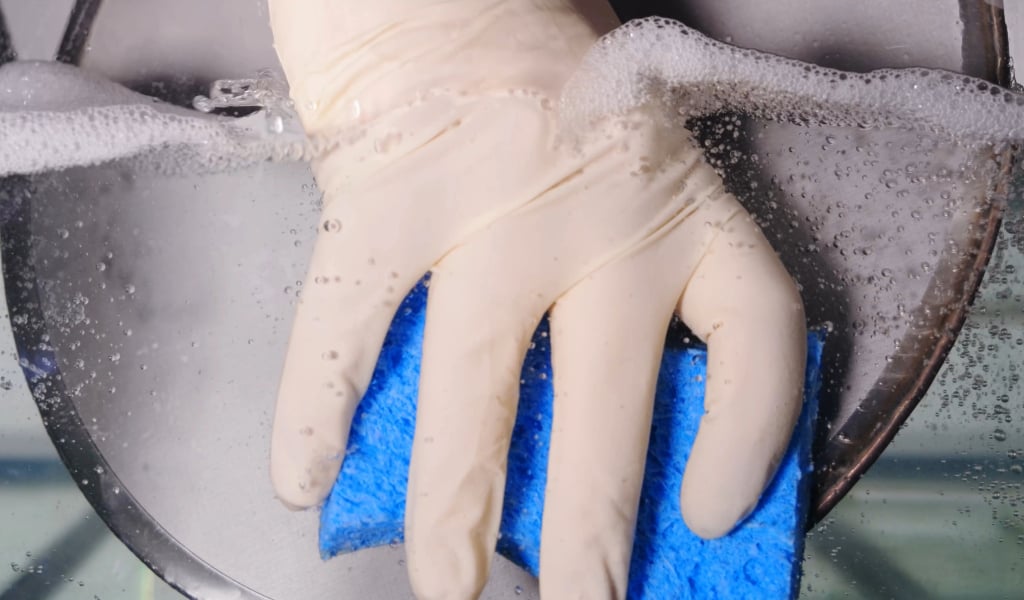
Proper maintenance begins with establishing a regular cleaning regimen to prevent residue buildup and maintain consistent flow rates. For sintered metal plates like POROSTAR, this often includes advanced cleaning methods such as chemical cleaning, steam cleaning, and ultrasonic cleaning, all of which are widely recommended in industrial filtration to remove embedded contaminants without damaging the plate’s structure.
These techniques will help you to restore permeability and extend the lifespan of the filter while ensuring compliance with strict cleanliness standards in industries like pharmaceuticals and food processing.
In addition to cleaning, scheduled inspections are critical. Many industrial users recommend monthly or quarterly scheduled checks, including visual assessment for surface damage, corrosion, or discoloration. Performance-based monitoring, such as tracking pressure differentials, is also effective since a rising pressure drop often signals pore blockage, prompting the need for cleaning or replacement.

Handling and storage practices play an equally important role. Always remove plates carefully, rinse gently, and let them dry fully before rehousing. Avoid mechanical impact or excessive tightening during reinstallation, as repeated stress can distort pore structure and reduce filtration accuracy over time. Store cleaned plates in a dry, contamination-free environment to mitigate corrosion risks, which is especially vital for applications in food, pharma, or aggressive chemical settings.
Finally, know when to replace the plates. Even with diligent maintenance, sintered metal filters have a finite lifespan. Industry guidance suggests replacing plates when cleaning fails to restore original flow rates, pressure differentials exceed 2-3 times baseline, or when visible structural damage is detected.
Having a backup plate on hand can help to ensure minimal disruption and consistent process quality.
Keeping Your POROSTAR Nutsche Plates in Top Condition
Maintaining POROSTAR Nutsche plates is essential for preserving filtration efficiency and extending their service life. We’ve explored the common issues caused by poor maintenance, such as clogging, corrosion, and pore deformation, and outlined preventative strategies like routine cleaning, careful handling, and scheduled inspections.
To keep your plates performing at their best, implement a structured maintenance plan that includes advanced cleaning methods like chemical, steam, and ultrasonic cleaning. Pair this with regular performance monitoring and proper storage practices to minimize system downtime and to avoid expensive maintenance or even replacements.
POROSTAR Nutsche plates are far more serviceable than many realize. Whether the damage is minor or severe, there are structured repair methods available. You can read the full breakdown in our in-depth article here.
At W.S. Tyler, our commitment to cleaner, safer operations drives every solution we offer. By following these maintenance guidelines, you not only protect your investment but you also uphold the standards of reliability and safety that define our over 150 years of expertise.
Looking to discover more about how you can make troubleshooting in your Nutsche dryer system easier? Check out more in our article below: