







Microplastic contamination has become a critical concern as these particles continue to infiltrate the water we drink and even the food we consume. Microplastics are now being found in human tissue including the lungs and the bloodstream, raising questions about long-term exposure and its impact on our health. Microplastic contamination is often linked to inflammation, oxidative stress, and even associations with cardiovascular, reproductive, and neurological effects, making them an emerging threat for both the general public and industries that supply or treat water.
As contamination becomes more widespread, more and more industries are under pressure to adopt filtration systems capable of removing increasingly smaller plastic particles. Fortunately, precision woven wire mesh offers a reliable, customized, and highly stable filtration medium capable of capturing microplastics across a wide range of particle sizes. Its uniform pore structures, mechanical strength, and corrosion resistance make it well-suited for water treatment facilities seeking to reduce microplastic load and improve overall water quality.
At W.S. Tyler, our mission has always been to help customers create cleaner, safer, and more effective filtration systems. With more than 150 years of experience engineering woven wire mesh solutions, we understand the growing demand for filtration media that balances precision, durability, and long‑term reliability. As microplastic research evolves and regulatory scrutiny increases worldwide, our expertise positions us to help industries stay ahead of emerging safety standards while improving operational performance.
This article will break down the most up-to-date health risks associated with microplastic exposure, highlight increasing regulatory pressures shaping filtration requirements, and explain the critical role stainless steel woven wire mesh plays in removing microplastics from water streams. By the end, you’ll understand not only the urgency behind addressing microplastic contamination, but also how engineered mesh solutions provide a proven pathway toward a cleaner, safer filtration process.
Why Microplastics Pose a Serious Risk to Human Health
While microplastics were once considered an environmental issue limited to oceans and soil, recent studies have confirmed that they’re entering the human body far more easily and accumulating across multiple organ systems.
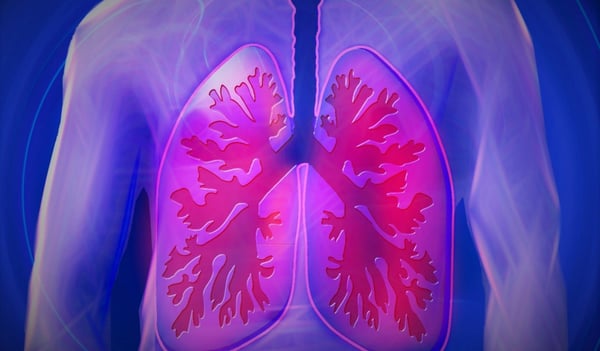
We are now starting to detect microplastics in human lungs, blood, and even brain tissue, demonstrating their ability to cross biological barriers previously thought to be highly selective. This infiltration raises deep concern among researchers, as these particles can carry additives, contaminants, and pathogens that may trigger harmful biological responses.
Once inside the body, microplastics may trigger inflammation, oxidative stress, and cellular disruption. These mechanisms are increasingly linked to neurological, reproductive, and cardiovascular concerns, as well as disruptions to gut health.
Compounding the issue, plastics contain thousands of chemical additives, including some known to be toxic or endocrine‑disrupting, that can leach into human tissue. There are more than 13,000 chemicals that are tied to plastics, including PFAS and phthalates, which heighten health risks.
Microplastics may also act as carriers for harmful bacteria. They can host pathogenic and antimicrobial‑resistant organisms, creating an additional biohazard pathway through contaminated water systems.
Together, these factors make microplastics a significant emerging health threat and reinforce the need for filtration systems that can reliably capture them before they enter drinking water supplies and your body.
How New Environmental Policies Are Shaping Filtration Standards
Regulatory attention toward microplastics has accelerated rapidly as new research highlights their widespread presence in drinking water and associated health concerns. In the U.S., federal and state agencies are increasingly prioritizing monitoring and risk assessment. For example, the Microplastics Safety Act (H.R. 4486), introduced in 2025, directs the FDA to study human exposure pathways and evaluate potential links to endocrine disruption, cancer, and chronic illness, signaling a clear shift toward national oversight.
States are also taking more proactive steps. Seven U.S. governors have formally petitioned the EPA to include microplastics in the 2027 Unregulated Contaminant Monitoring Rule (UCMR), which would initiate the first nationwide effort to track microplastic levels in drinking water. Including these particles in UCMR testing would help establish baseline data and inform the development of future enforceable standards.
Looking to discover more about how wire mesh is made with the highest standards for your system? Check out our article below:
Meanwhile, state-level legislation continues to grow. California’s Department of Toxic Substances Control, for example, has proposed adding microplastics to its Candidate Chemicals List, laying the groundwork for future regulation through its Safer Consumer Products Program. Other states (including Michigan) are drafting bills to expand monitoring networks and identify microplastic sources within regional water systems. These initiatives reflect a broader movement toward stricter oversight across the water treatment ecosystem.
Together, these regulatory developments are pushing industries such as water treatment, beverage production, and municipal utilities to adopt finer, more reliable filtration systems. As policymakers work to define new standards, filtration engineers are increasingly prioritizing media capable of consistent retention levels, such as stainless-steel woven wire mesh, to ensure compliance and proactively reduce microplastic contamination.
The Critical Role of Stainless-Steel Mesh in Microplastic Removal
As industries face increasing pressure to reduce microplastic contamination, stainless steel woven wire mesh has risen up as one of the most dependable filtration media for capturing fine particles, particularly those found in water treatment systems. Unlike synthetic filters, stainless steel mesh maintains stable pore geometry under pressure and resists degradation when exposed to chemicals, elevated temperatures, or high flow rates.
Most importantly, it gives you peace of mind in your process due to its strength and how much easier it is to clean. This stability is essential when targeting microplastics, which can vary widely in size, shape, and composition.
One of the key advantages of woven stainless-steel mesh is its precise and uniform aperture size, achieved through controlled weaving patterns. Plain weave, the most fundamental style, creates evenly sized square openings which are ideal for general particle retention and consistent microplastic capture at defined micron levels. Stainless steel grades such as 304 and 316 are commonly used, offering strong corrosion resistance and mechanical durability, which ensures filtration reliability over long service lifetimes.
Operationally, woven mesh provides additional benefits critical to microplastic filtration. Stainless steel’s smooth surface allows for easier cleaning and reduced clogging, making it suitable for backwashing and repeated use, which is an important consideration as utilities work to comply with emerging monitoring and performance requirements.
Moreover, wire mesh is customizable to your needs, giving filtration engineers flexibility to integrate it into existing systems without significant redesign.
To further optimize microplastic removal, you can tailor your filtration strategy using different woven mesh constructions. A Plain weave provides uniform openings that deliver consistent particle retention and long-term durability, making it a reliable choice for most general microplastic filtration applications. For processes requiring an even more durable filter, our RPD HIFLO offers a specialized weave design that enhances a tight particle capture profile, supporting a more stable filtration profile.
Ultimately, woven stainless steel mesh delivers a reliable, long‑lasting, and precise mechanical barrier against microplastics. As regulatory expectations tighten and the need for measurable filtration performance increases, its durability, consistency, and high‑accuracy pore control make it an essential component in modern water treatment systems aimed at reducing microplastic exposure.
Moving Forward with Reliable Microplastic Filtration Solutions
As microplastic research continues to expand, the risks these particles pose to human health have become impossible to overlook. From their ability to infiltrate critical tissues to their potential to carry harmful chemicals and bacteria, microplastics represent a fast‑growing concern for water treatment facilities and the industries they serve.
Taking the next steps begins with evaluating current filtration practices and identifying where more precise retention levels are needed. As regulatory momentum increases, being driven by new proposals, state initiatives, and federal petitions, organizations that embrace advanced filtration media today will be better positioned to meet emerging compliance demands tomorrow. Upgrading to durable, precision‑woven stainless-steel mesh can help ensure long‑term consistency while minimizing the operational strain often associated with finer filtration requirements.
At W.S. Tyler, our commitment to creating cleaner, safer filtration solutions has guided us for more than 150 years. We continuously support customers as they navigate evolving standards, offering woven wire mesh engineered with the structural stability, accuracy, and durability required to address modern contamination challenges. It’s our goal to provide filtration systems that not only meet industry expectations but also help build a healthier, more sustainable future.
Interested in discovering more about how woven wire mesh can help you with the ever-evolving issue of microplastic filtration? Check out our article below to learn more about one of filter cloths commonly used in water filtration: