






In active Pharmaceutical Ingredient (API) and Highly Potent API (HPAPI) manufacturing, filtration failures carry massive consequences. The nutsche filter dryer sits at a critical point where product purity, operator safety, and batch yield converge. When filter media deforms, sheds, or traps residue, the impact goes beyond inefficiency and introduces contamination risks, extended downtimes, and lost high-value products that cannot be recovered.
As pharmaceutical processes become more stringent, the filter plate itself has taken on a much larger role. No longer a simple support layer, it directly influences how consistently a cake forms, how effectively it can be washed, and how thoroughly product can be discharged. Media instability, hold-up zones, and poor cleanability are increasingly unacceptable in validated API environments where repeatability and documentation are essential.
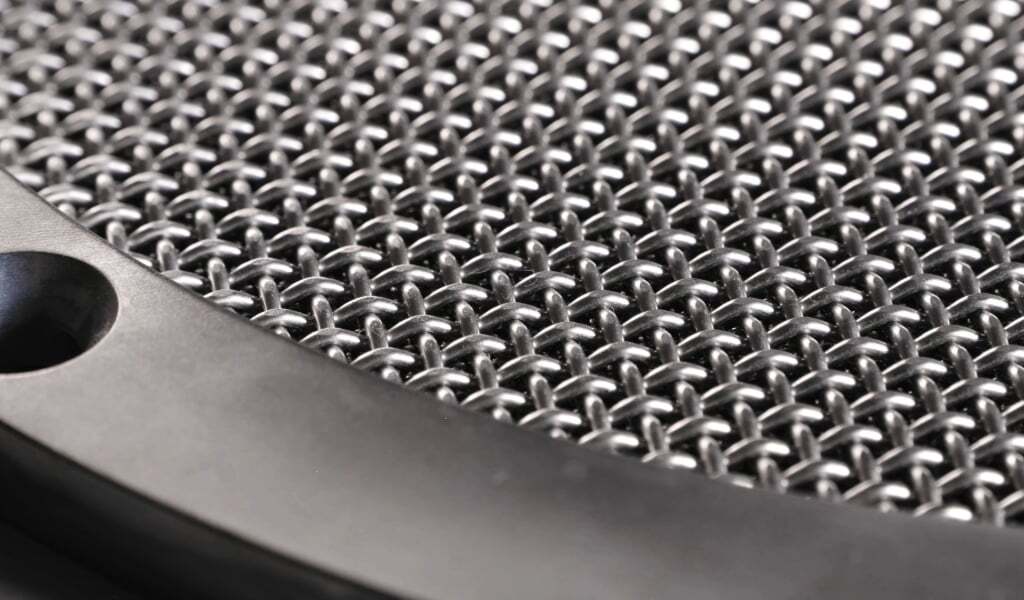
For more than 150 years, W.S. Tyler has focused on helping manufacturers operate cleaner and safer through engineered wire filtration solutions. POROSTAR filter plates are designed specifically for high-containment pharmaceutical applications, combining monolithic strength, non-shedding construction, and surface-loading filtration. The result is a filter plate that supports reliable performance while helping protect product integrity and personnel throughout the process.
In this article, we examine how POROSTAR filter plates support API Nutsche Filtration. We’ll explore the shortcomings of traditional Nutsche filter media, explain how POROSTAR addresses core API challenges, and show how its performance and serviceability hold up across the full Nutsche process, from charging to final discharge.
Where Traditional Nutsche Filters Fall Short
Many traditional Nutsche filter media were developed for general chemical processing, not the heightened demands of API and HPAPI manufacturing. Flexible cloths, felts, and loosely supported wire screens can perform internal solid-liquid separation, but their limitations become more apparent as processes move deeper into washing, reslurry, and discharge phases.
One of the most significant risks is contamination. Synthetic cloths can shed fibers under mechanical stress, where unbonded wire media may release particulates if damaged. In API service, even minor contamination can trigger batch rejection or regulatory scrutiny. At the same time, depth-loading media trap particles within the filter structure, creating areas that are difficult or even impossible to fully clean using CIP systems.
Mechanical instability compounds these issues. Under pressure, vacuum, and repeated agitation, flexible media can bow, wrinkle, or migrate within the vessel. This alters cake formation, creates uneven resistance during washing, and introduces localized hold-up zones where API residue remains after discharge. Over time, these small inconsistencies lead to increased variability between batches.

Flatness at the filter surface is another common challenge. As operators try to minimize the heel left behind after discharge, flexible media limits how close the agitator can safely operate to the filter plate. Conservative clearances reduce the risk of media damage but leave valuable product trapped at the bottom of the vessel, directly impacting your yield.
Together, these shortcomings illustrate why traditional Nutsche filtration media struggles to meet modern API expectations. As regulatory pressure and product value increases, the filter plate must provide stability, cleanliness, and consistency as a permanent part of the process, not just a recurring point of failure.
How POROSTAR Supports API Manufacturing
POROSTAR filter plates are engineered with API requirements at their core. At the foundation is a diffusion-bonded, monolithic construction that fuses every wire contact point into a single, indivisible structure. This eliminates the risk of fraying, unraveling, or delamination, which are all common failure modes in layered or flexible media.
Unlike depth-loading cloths, POROSTAR operates as a surface-loading filter media. Particles are retained on the surface rather than becoming embedded within the media, making cleaning more effective and more verifiable. For API producers, this directly supports cleaning validation efforts and reduces the risk of cross-contamination between batches.
Want to learn more about how woven wire mesh solutions can help you with compliance in your Nutsche filter dryer system? Check out the article below to learn more:
POROSTAR also supports Zero-Hold-Up design principles. Each plate is customized to match vessel geometry and tolerances, ensuring a flush fit against the vessel wall. This minimizes crevices where product can accumulate and allows the agitator to sweep the surface more effectively during discharge.
Material choice further supports pharmaceutical processing. Metallic construction provides exceptional mechanical stability under pressure, vacuum, and temperature cycling, while remaining compatible with aggressive solvents and repeated SIP/CIP routines. Together, these characteristics make POROSTAR a stable, predictable filtration surface suited for long production campaigns in regulated environments.
Performance Across the Nutsche Process
The performance of an Agitated Nutsche Filter Dryer depends on the consistency of every process step. During charging, the filter plate serves as a load-bearing foundation, supporting the full weight of the slurry. POROSTAR plates maintain their flat profile under heavy loads, helping establish uniform cake formation from the start.
Throughout filtration and washing, surface-loading behavior ensures that flow resistance remains tied to the cake rather than the progressive binding of the media. This supports even washing efficiency and reduces the variability often seen with depth-loading filters as cycles repeat.
Reslurry washing and smoothing place some of the highest mechanical demands on the filter plate. High-torque agitation, frequent reversals, and pressure changes can stretch or distort weaker media. POROSTAR’s monolithic & dual sintered structure resists these forces without shifting or degrading, maintaining consistent performance over time.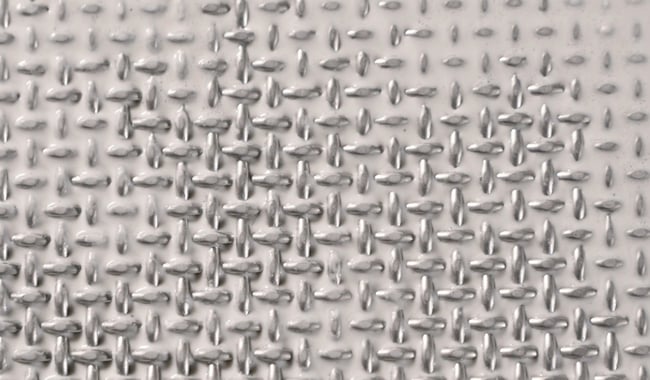
During discharge, rigidity and flatness directly influence yield. Because POROSTAR maintains a mirror-flat surface, the agitator can operate at tighter clearances, recovering more of the product heel that flexible media leave behind. For high-value APIs, this step often has the greatest impact on profitability.
Importantly, POROSTAR filter plates are not treated as disposable components. When damage or wear does occur, many plates can be inspected and repaired rather than replaced. This repair capability helps preserve the original fit, restore performance, and extend service life, which reduces downtime and supports long-term lifecycle value in critical API applications.
A Better Standard for API Filtration
API Nutsche filtration demands not only basic separation but repeatability, reliability, and confidence at every stage of the process. As product values rise and regulatory expectations tighten, the filter plate has become a defining factor in protecting your systems purity, yield, and operator safety.
For manufacturers experiencing contamination risk, cleaning challenges, or chronic product loss, the solution often starts with the filtration surface itself. A rigid, surface-loading, monolithic filter plate provides the structural stability and cleanability needed to support modern API production without adding unnecessary risk.
At W.S. Tyler, that approach is rooted in a long‑standing commitment to cleaner and safer industrial processes. With more than 150 years of experience, POROSTAR filter plates are engineered to deliver consistent performance, support validation efforts, and provide repairable longevity in demanding pharmaceutical environments.
Want to discover more about how to select the best mesh for your Nutsche filtration process? Check out the article below to learn more: