




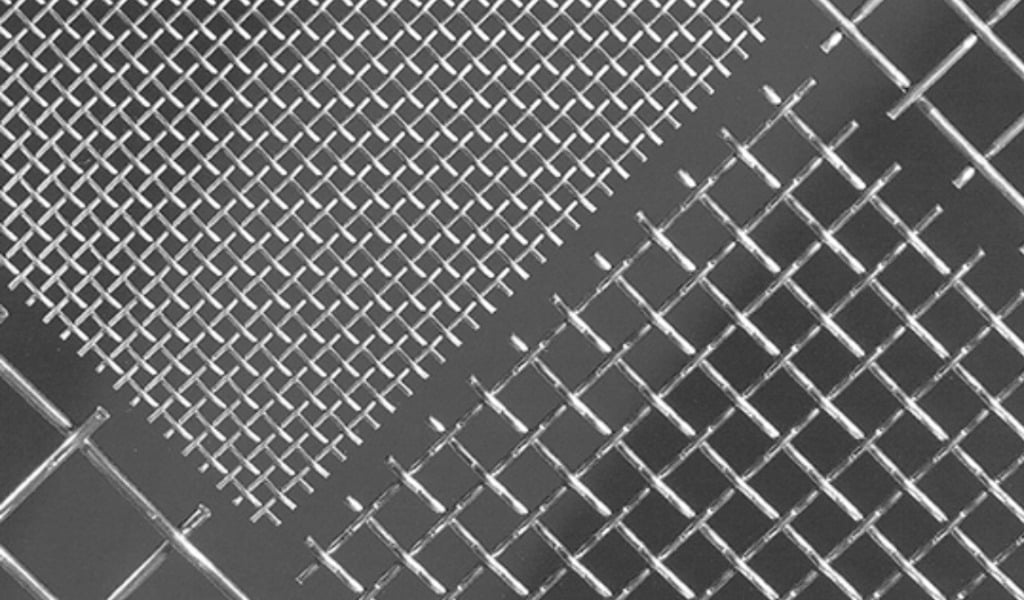


In pulp and fiber processing, it’s easy to assume that finer mesh automatically leads to better results. After all, smaller openings should capture more unwanted material and create a cleaner final product. But many operations discover the opposite effect over time, which includes reduced throughput, more downtime, and inconsistent performance that becomes harder to control as mesh fineness increases.
The reality is that mesh selection is a balance, not a race to the finest possible opening. While tighter mesh can improve contaminant removal in some cases, it also increases resistance to flow, restricts drainage, and can push systems beyond their intended operating range. In many pulp applications, this tradeoff shows up quickly in the form of slower production rates, higher vacuum demand, and more frequent maintenance tied to clogging or blinding.
At W.S. Tyler, our goal has always been to help operations run cleaner and safer while maintaining peak efficiency. With more than 150 years of experience engineering woven wire solutions, we understand that optimizing mesh performance is about supporting stable, high-performing systems that minimize risk and maximize uptime across the entire process.
In this article, we’ll break down why finer mesh doesn’t always improve pulp quality, how it can restrict drainage and increase system strain, and when it may actually raise reject rates instead of lowering them. We’ll also compare the gains in product quality against potential throughput losses and outline how to identify the “sweet spot” for mesh fineness that keeps your operation running efficiently.
Why Finer Mesh Doesn’t Always Improve Pulp Quality
It’s a common assumption in pulp and fiber processing: smaller mesh openings should naturally lead to cleaner pulp. And on the surface, that logic makes sense as finer mesh captures more small particles, separates fibers more precisely, and can improve uniformity. But in real-world applications, the relationship between mesh fineness and quality is far more complex, and often less forgiving than expected.
At its core, pulp screening is about controlling what contaminants pass through and what is retained. Pressure screens rely on a balance between aperture size, flow conditions, and fiber characteristics to separate acceptable fibers from rejects. When mesh openings become too fine, that balance shifts. Fibers do not pass through apertures freely and instead, their movement is restricted by factors like fiber flexibility, orientation, and local flow conditions, meaning that even usable fibers can be held back or diverted incorrectly.
Another key factor is the role of fiber fines and micro-particles. These smaller components naturally pass through finer mesh, but they also influence the structure and performance of the final product. In fact, fines are defined specifically by their ability to pass through very small openings, and their presence directly affects sheet formation, density, and overall paper properties. Tightening mesh too much can unintentionally shift the fiber distribution, leading to changes in product behavior that don’t always translate to better quality.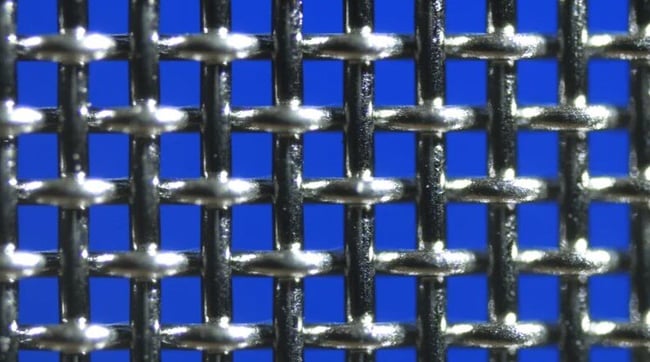
Equally important is how mesh fineness impacts screening efficiency versus yield. Screening systems are designed to remove contaminants while minimizing fiber loss, but this is a tradeoff. As apertures get smaller, the likelihood of rejecting usable fiber increases because separation is no longer purely based on contaminant size. Instead, it becomes influenced by flow dynamics and probability, meaning good fiber can end up in the reject stream alongside debris.
As a whole, finer mesh does not operate in isolation. It interacts with every part of the process, from pulp consistency and flow velocity to rotor dynamics and pressure differential. While smaller openings can improve selectivity in specific scenarios, they can also introduce unintended consequences like reduced fiber recovery and inconsistent quality results. The goal isn’t to go finer, but instead to select a mesh that aligns with how your system actually performs under real world operating conditions.
Performance Tradeoffs: Drainage, Blinding, and System Strain
As mesh openings become finer, the first impact most operations notice isn’t improved quality, but instead a change in how the system physically behaves. Screening and forming processes rely on consistent flow through the mesh surface, and when that flow is restricted, the entire process begins to work harder to achieve the same result. In practical terms, tighter mesh reduces the available open area for water and fiber to pass through, which directly increases resistance and pressure drop across the screen.
That added resistance shows up quickly in pulp systems as drainage limitations. Water removal is a critical part of pulp and fiber processing, and anything that slows drainage can become a bottleneck for production. When flow through the mesh is restricted, water stays longer in the fiber mat, making it harder to dewater efficiently. This effect becomes even more pronounced when fines are present, as they naturally block drainage pathways and further increase resistance to water removal.
To compensate, systems often rely on increased vacuum or pressure to maintain throughput. While this can temporarily stabilize production, it introduces another issue: vacuum overload and system strain. Vacuum systems are designed to operate within a specific range, and pushing them beyond that range can lead to higher energy consumption, reduced dewatering efficiency, and increased wear on components like pumps and seals. Over time, this not only raises operating costs but can also create reliability issues that impact uptime.
Want to learn more about the impact pulp and fiber loading can have on the lifespan of your wire mesh? Read the article below to learn more:
At the same time, finer mesh significantly increases the likelihood of blinding and clogging. When openings become smaller, they are more susceptible to being blocked by near-size particles, fiber bundles, or sticky fines. As material accumulates on or within the mesh, effective open area is reduced even further, compounding the original flow restriction. This creates a cycle where reduced flow leads to buildup, and buildup leads to even less flow.
The result is a noticeable increase in cleaning frequency and maintenance demands. As blinding progresses, throughput drops, differential pressure rises, and operators are forced to clean or replace screens more often to maintain acceptable performance. Regular cleaning becomes essential to prevent significant efficiency losses, as clogged mesh can quickly reduce filtration speed and increase overall equipment load.
Taken together, these factors highlight an important reality: finer mesh changes the way your entire system operates. From restricted drainage and higher vacuum demand to increased blinding and maintenance, the tradeoffs can add up quickly. The impact of these decisions is key to making informed decisions about mesh selection and avoiding performance issues that extend far beyond the screen itself.
How to Optimize Mesh Selection for Performance and Output
Finding the optimal mesh is about identifying where quality improvements and product efficiency intersect. In pulp screening, every adjustment to aperture size influences multiple performance variables at once, including capacity, reject rate, and fiber recovery. This is why most mills operate within a relatively narrow window where contaminant removal is maximized without sacrificing usable fiber or creating a bottleneck in production.
One of the most important (and often overlooked) factors is how mesh fineness impacts reject rates. Screening systems divide flow into two streams: accepts (usable fiber) and rejects (contaminants and some fiber). As mesh openings get smaller, the system becomes less selective in a practical sense. Instead of strictly separating by size, it begins rejecting material based on flow limitations and fiber behavior. This leads to higher reject ratios, meaning good fiber is lost along with contaminants, ultimately lowering yield and increasing raw material costs.
At the same time, tighter mesh directly affects throughput capacity. Screen capacity is strongly tied to open area and flow dynamics, as when apertures are reduced, overall flow decreases, and the system processes less material per unit of time. In some cases, studies have shown that reducing slot spacing or aperture size can significantly lower screen capacity due to fiber accumulation and restricted flow at the openings. This is where many operations begin to see the true tradeoff: cleaner pulp at the expense of lower production output.
To strike the right balance, mesh selection should be evaluated as a quality vs. throughput tradeoff, not a one-directional improvement. A practical way to think about it is:
- Smaller openings: Higher contaminant removal, but lower flow and higher fiber loss
- Larger openings: Higher throughput and yield, but lower selectivity

The goal is not to maximize one of these outcomes, but to optimize both within acceptable limits. This is why mesh selection is often described as finding a “sweet spot”, which is a specific aperture size where the system delivers adequate cleanliness without restricting flow or increasing rejects beyond a manageable level.
Determining that sweet spot requires looking beyond mesh size alone and considering how the system operates as a whole. Key variables include:
- Fiber type and length (longer fibers need slightly larger openings to pass efficiently)
- Pulp consistency (higher consistency makes flow through fine mesh more difficult)
- Flow rate and velocity (too low leads to plugging, too high reduces screening accuracy)
- Stage of screening (coarse vs. fine screening applications require different mesh strategies)
In practice, the most effective approach is incremental optimization, which is adjusting mesh fineness in controlled steps while monitoring key performance indicators like reject rate, throughput, energy usage, and product quality. This allows operators to pinpoint where gains in cleanliness begin to plateau or where throughput losses become too costly to justify.
Optimizing mesh selection is about making informed tradeoffs. The best-performing pulp systems are the ones using the right mesh for their specific process conditions, ensuring consistent quality without sacrificing uptime, yield, or efficiency.
Balance Is the Key to Better Mesh Results
Choosing the right mesh for pulp and fiber applications comes down to understanding the tradeoffs at play. While finer mesh can improve contaminant capture in certain scenarios, it can also restrict drainage, increase system strain, and elevate reject rates if pushed too far. As we’ve covered, mesh performance is defined by how well your mesh’s openings support both quality and consistent production.
Moving forward, the most effective approach is to evaluate your system holistically. Monitor how changes in mesh fineness impact key performance indicators like throughput, vacuum load, cleaning frequency, and fiber recovery. If you’re seeing diminishing returns in quality or increased downtime, it may be time to step back and reassess where your true performance “sweet spot” lies.
At W.S. Tyler, we’ve spent over 150 years helping operations navigate exactly these kinds of challenges. Our focus has always been on delivering solutions that support cleaner, safer processes without compromising efficiency. By combining proven engineering with real-world application insight, we help ensure your screening systems perform the way they were intended: reliably and sustainably.
Looking to enhance your mesh for your pulp and fiber system? Read more about it in the article below: