




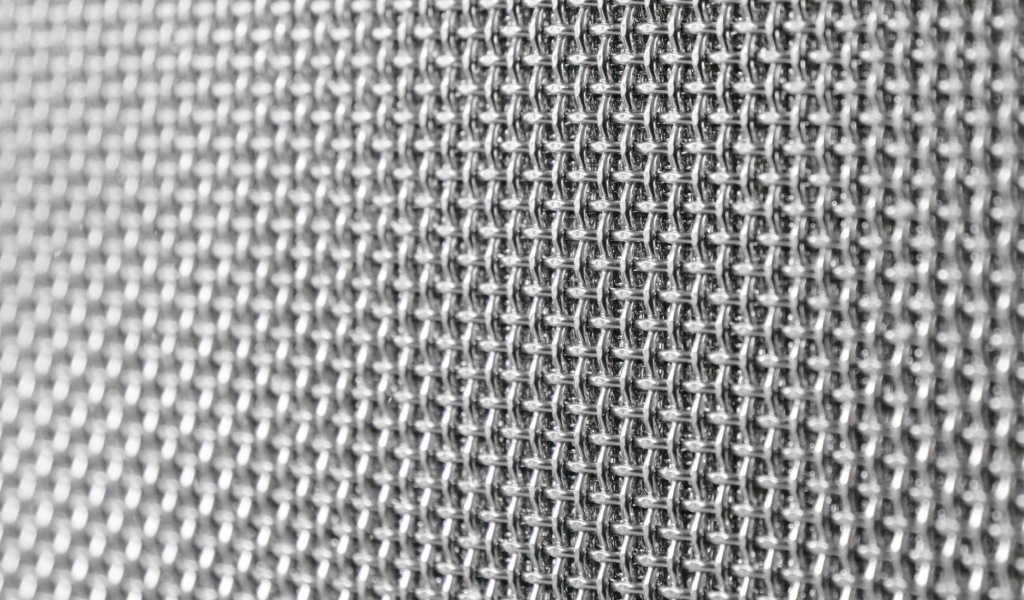


Pharmaceutical manufacturers rely on nutsche filter dryers to perform multiple critical steps, all within a single enclosed system. While this equipment is designed for efficiency and containment, the filter media and material of construction often become limiting factors. Corrosion from aggressive solvents, difficulty achieving consistent cleanability, and concerns around cross-contamination can all compromise product quality and increase your systems downtime.
As regulatory scrutiny continues to tighten, especially around GMP compliance and surface hygiene, material selection inside of your nutsche dryer has never been more important.
One way manufacturers are addressing these challenges is by upgrading to higher-performance stainless steel alloys such as AVESTA. Known for its enhanced corrosion resistance, cleanability, and structural stability, AVESTA alloys are increasingly used in demanding pharmaceutical environments where stainless steels may fall short. These materials are well-suited for repeated exposure to harsh chemicals, elevated temperatures, and frequent CIP (Clean-in-place) or SIP (Sterilize-In-Place) cycles, which are conditions that are common in API and fine chemical production.
At W.S. Tyler, our mission is to help pharmaceutical processors achieve cleaner, safer, and more reliable separation processes. With more than 150 years of experience designing woven wire mesh and filtration solutions, we understand how material science directly impacts your process performance.
In this article, we’ll take a closer look at what AVESTA is and why it’s used in pharmaceutical applications, explore the key benefits AVESTA offers in pharma nutsche filter dryer systems, and outline the next steps for optimizing nutsche filter performance through smarter material selection. Whether you’re evaluating a new system or looking to improve an existing process, understanding the role of AVESTA can help to support long-term reliability and compliance.
What Is AVESTA and Its Role in Pharma Applications
AVESTA refers to a family of high-performance stainless steel and duplex stainless-steel alloys originally designed to perform in highly corrosive, tightly controlled process environments. In pharmaceutical manufacturing, these materials are commonly selected when standard grades such as 316L begin to show limitations under aggressive solvents, frequent thermal cycling, or repeated CIP/SIP exposure. AVESTA alloys are engineered with a mix of optimized chromium, molybdenum, nitrogen, and nickel content to provide enhanced corrosion resistance while maintaining the surface quality required for hygienic processing.
In pharma applications, material performance goes far beyond basic strength. Equipment surfaces must withstand chlorides, acidic cleaning agents, elevated pressures, and high temperatures without degrading or introducing contamination risk. AVESTA duplex and high-alloy stainless steels are specifically designed to resist pitting, crevice corrosion, and stress corrosion cracking, all of which are known to cause failures in pharmaceutical filtration and drying equipment. This makes AVESTA a strong candidate for product-contact components in nutsche filter dryers, where both chemical exposure and mechanical stress are constant.
Another critical role AVESTA plays in pharmaceutical systems is supporting cleanability and surface integrity. Modern pharma guidelines emphasize smooth, non-reactive surfaces that can be fully cleaned and sterilized without leaving residues or prompting rouging. AVESTA materials respond well to surface finishing processes, helping manufacturers achieve the low surface roughness values required for GMP environments. This improves clean-in-place efficiency and helps to reduce the risk of cross-batch contamination, which is especially important in multi-product facilities.
From a design perspective, AVESTA alloys also offer higher mechanical strength than traditional stainless steels, allowing for thinner components without sacrificing durability. In nutsche filter applications, this strength can support finer woven wire mesh designs while maintaining structural stability under pressure and vacuum conditions. The result is a filtration system that balances precision separation, long service life, and regulatory confidence, all driven by thoughtful material selection.
In pharmaceutical processing, AVESTA is seen as a strategic material choice for manufacturers looking to improve reliability, cleanliness, and long-term performance in critical filtration and drying operations.
Key Benefits of AVESTA in Pharma Nutsche Filters
When AVESTA materials are applied specifically to pharmaceutical nutsche filter dryers, the benefits extend beyond general corrosion resistance and into measurable process improvements across filtration, washing, drying, and cleaning cycles. These advantages are most evident at the filter media level, where woven wire mesh performance directly influences batch consistency and equipment reliability.
One of the primary nutsche-specific benefits of AVESTA is more stable filtration performance under pressure and vacuum cycling. Agitated nutsche filters routinely operate under alternating positive pressure and vacuum during filtration, cake washing, and drying. AVESTA duplex stainless steels offer higher mechanical strength and resistance to deformation compared to conventional grades, helping woven wire mesh to maintain pore geometry and structural integrity through repeated cycles. This stability supports consistent flow rates, predictable cake formation, and reliable separation efficiency from batch to batch.
AVESTA alloys also help to reduce mesh fouling and blinding, a common challenge in pharmaceutical nutsche applications processing APIs and fine solids. Corrosion-induced surface roughness and micro-pitting can accelerate particle adhesion over time, making filtration less efficient and harder to clean. High-alloy and duplex stainless steels such as AVESTA exhibit superior resistance to pitting and crevice corrosion in solvent-rich and chloride-containing environments, allowing the mesh surface to remain smoother for longer service intervals.
In practice, this leads to:
- Improved cake release during discharge
- More uniform washing efficiency
- Reduced need for premature mesh replacement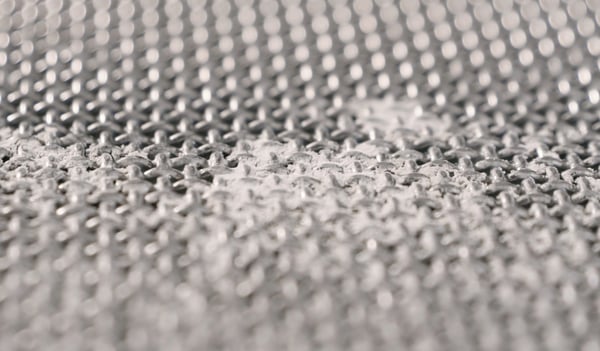
Cleanability is another critical area where AVESTA delivers direct nutsche dryer performance gains. Pharmaceutical nutsche filters must meet strict GMP expectations for CIP and SIP effectiveness, often undergoing frequent exposure to aggressive cleaning chemistries and elevated temperatures. Duplex stainless steels used in pharma equipment have demonstrated strong compatibility with processing, enabling low surface roughness values that support complete residue removal. For nutsche filter media, this means shorter cleaning cycles, improved validation confidence, and lower cross-contamination risk in multi-product facilities.
Finally, AVESTA contributes to longer filter media service life and reduced downtime in nutsche dryer operations. Higher-alloy stainless steels are known to often lower cost of ownership by minimizing corrosion-related failures and maintaining performance consistency over extended operating periods. In high-value pharmaceutical batch processing, fewer unplanned shutdowns and more predictable maintenance intervals translate directly into improved throughput and regulatory peace of mind.
In the context of pharmaceutical nutsche filtration, AVESTA is a process-enabling material choice that helps manufacturers to achieve cleaner operations, more consistent filtration results, and greater long-term reliability.
Next Steps for Optimizing Your Pharma Nutsche Filter Performance
Material selection plays a much larger role in pharmaceutical nutsche filter performance than it is often given credit for. As we’ve explored, AVESTA materials help address common challenges in pharma filtration by supporting consistent cake formation, improving cleanability, and maintaining mesh integrity under repeated pressure, vacuum, and CIP/SIP cycles. When applied correctly, these benefits translate into more predictable filtration results, reduced contamination risk, and longer service life for critical filter components.
For pharmaceutical manufacturers looking to optimize nutsche dryer performance, the next step is to evaluate how current filter media materials are performing in real operating conditions. Factors such as corrosion history, cleaning effectiveness, batch variability, and maintenance frequency can all signal when a material upgrade may be warranted. Working with a filtration partner that understands nutsche dryer operations can help you to identify opportunities to improve reliability without disrupting validated processes.
At W.S. Tyler, our approach is rooted in helping manufacturers move toward cleaner, safer, and more efficient separation processes. With more than 150 years of experience in woven wire mesh and industrial filtration, we focus on pairing the right materials with our precision-engineered mesh solutions designed for demanding pharmaceutical environments. This combination allows processors to meet regulatory expectations while improving long-term operational confidence.
Looking to discover some tips on how to best design Nutsche filter plates to fit into your system? Check out our article below to learn more: